Lechal
Haptic Feedback Based Insole I/O System · USPTO Patent
Problem
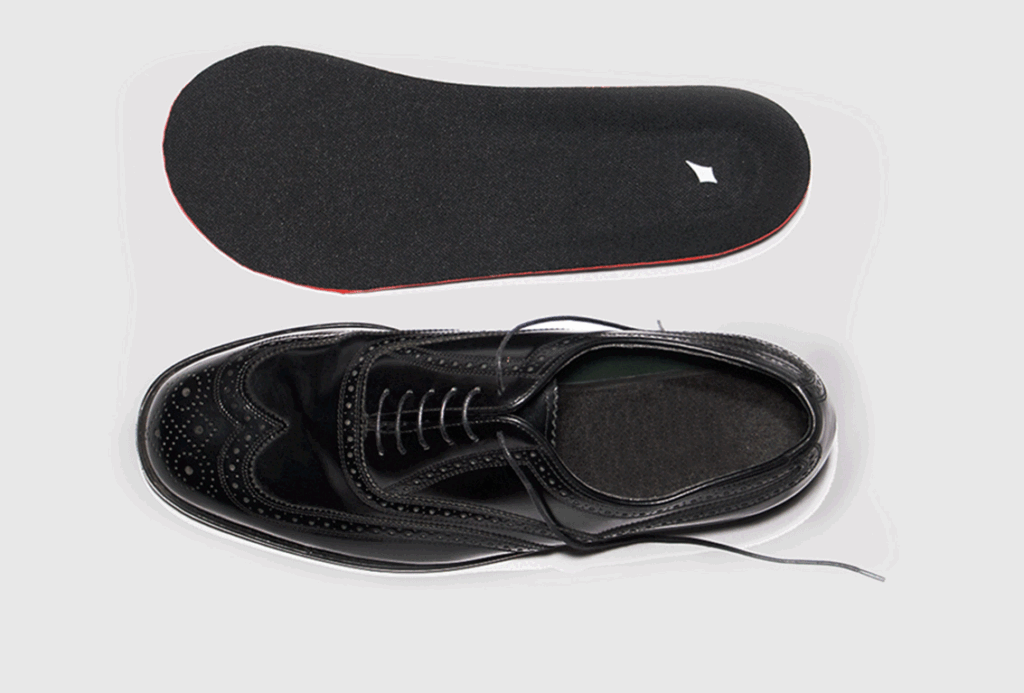
285 million visually impaired people worldwide need unobtrusive, hands-free navigation aids that integrate into daily routines. Standard canes or audible prompts can be limiting in crowded or loud spaces. Lechal (ले चल) started as a personal research project at Hewlett Packard Labs to build a haptic navigation aid — a shoe with a language of morse-code-like vibrations to guide user actions, process gait patterns, and stimulate the user before a fall.
Approach
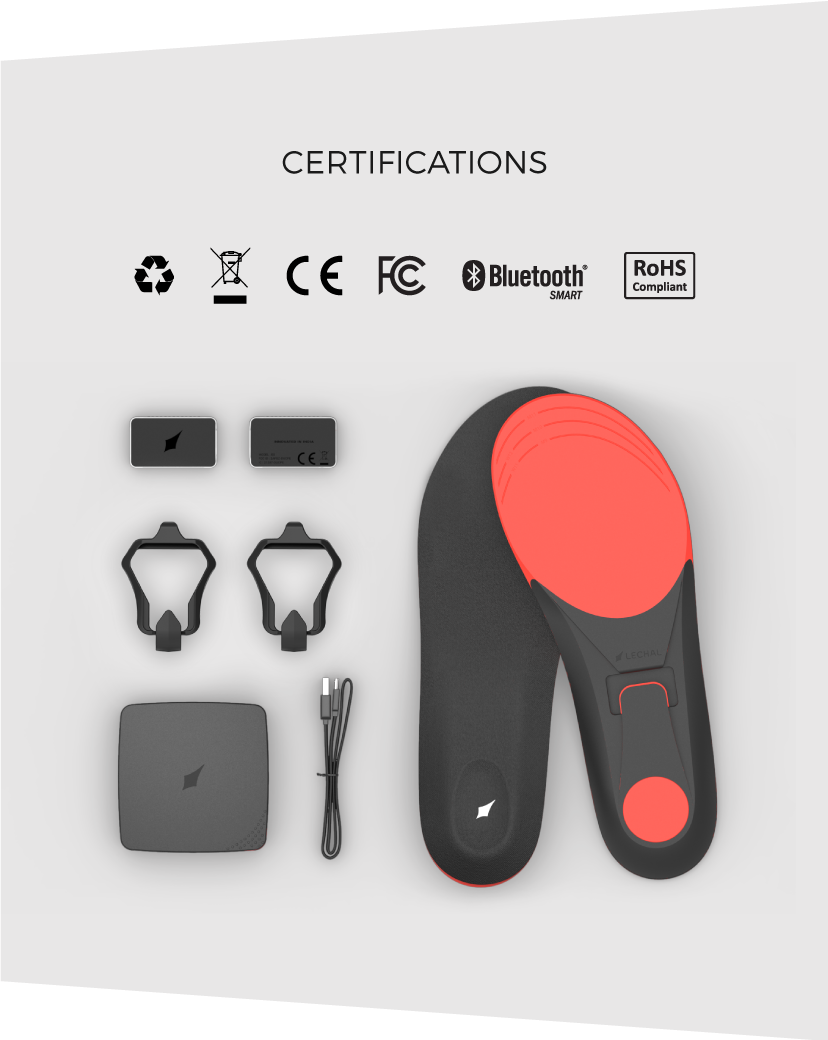
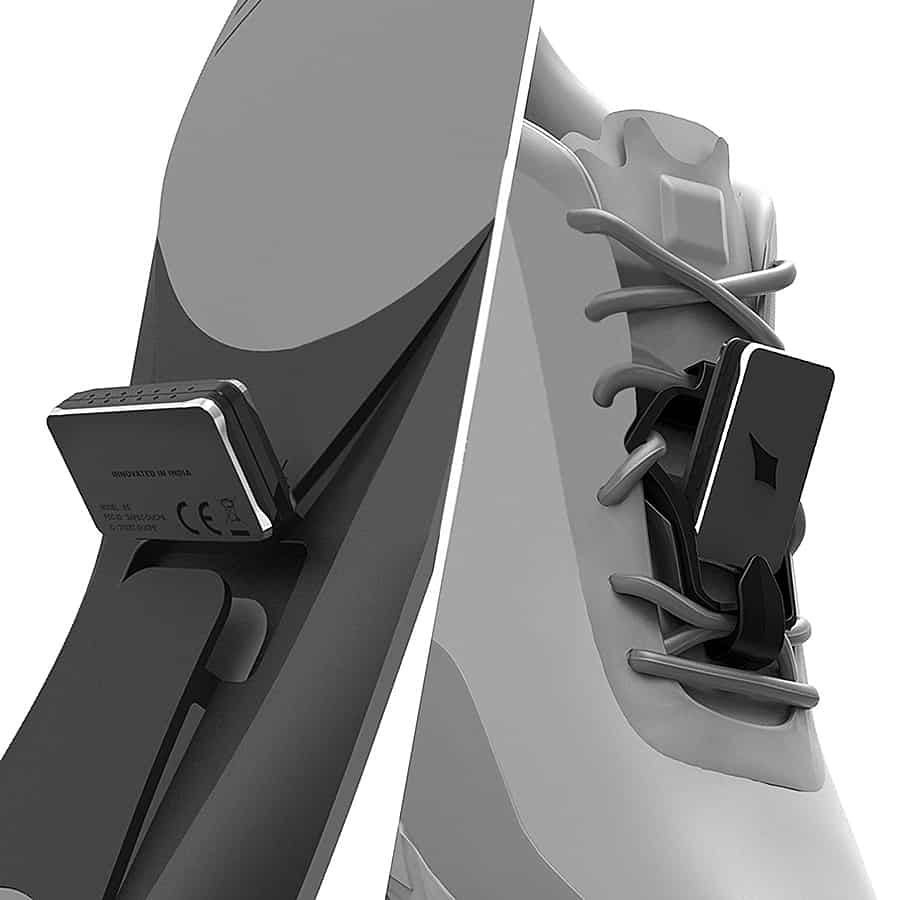
The mechanism collects sensor data, learns gait patterns, condenses geographical navigational information, and lets the user feel directional and proximity information through haptic stimulation. The shoe receives signals from a GPS-enabled smartphone and allows the blind and visually impaired to be alerted and guided via a series of vibrations — tickles on your feet, notifies in your pocket, recommends from the cloud.
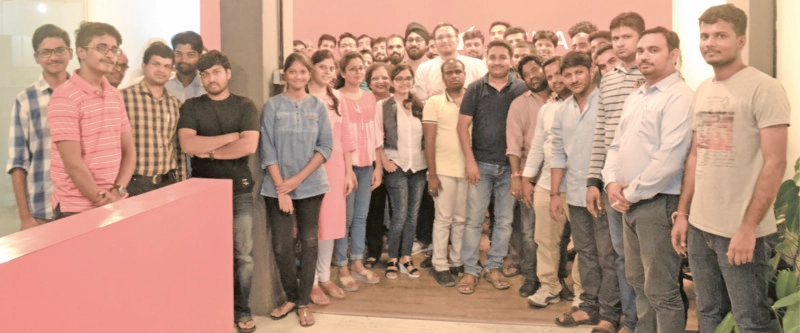
The unobtrusive design is Lechal's most significant feature. After 6 months of initial demos, Krispian and I decided to pursue Lechal as a venture, scaling from a team of 2 to 18 engineers, podiatrists, doctors, and ML engineers.
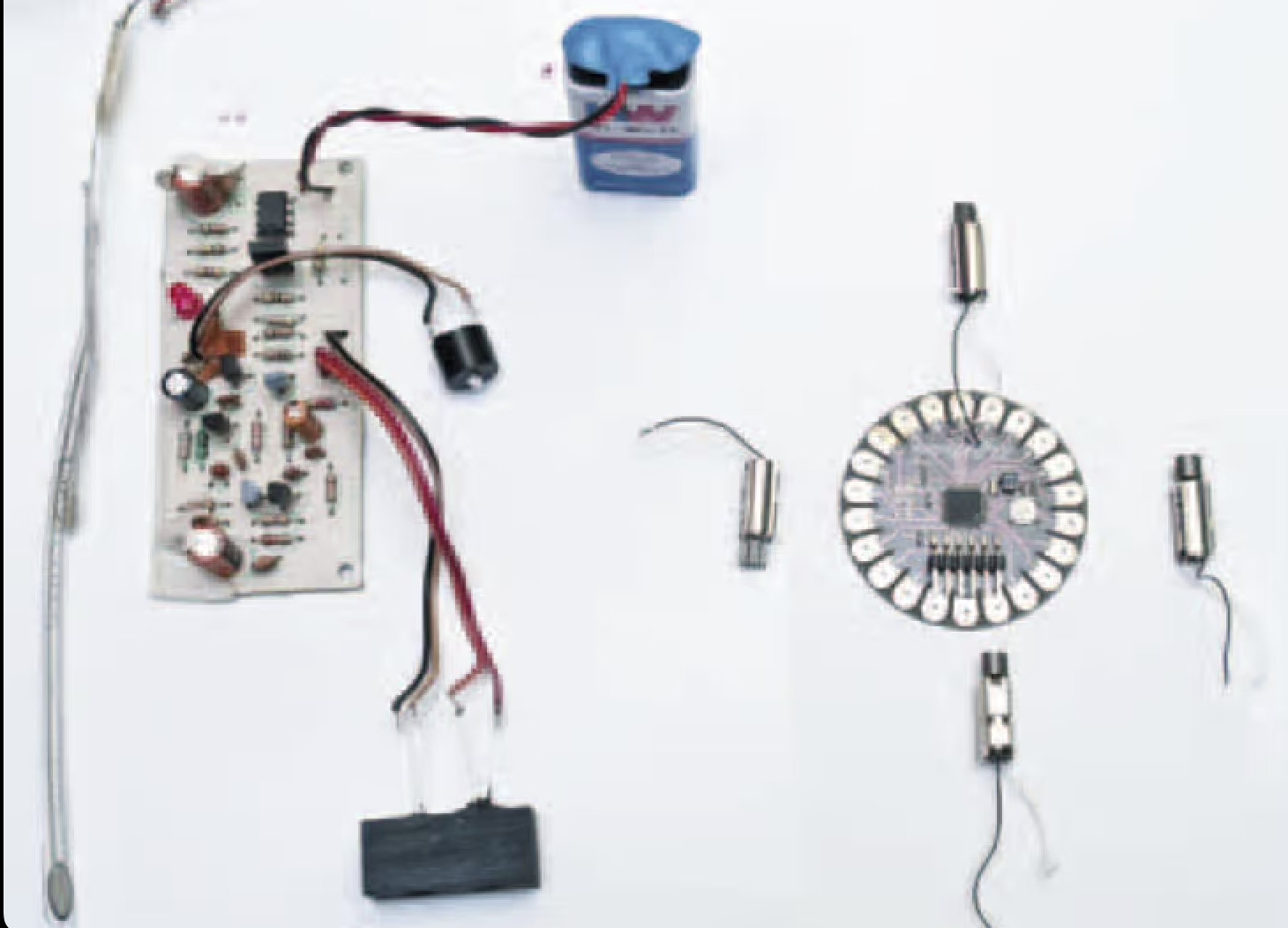
Prototype Evolution
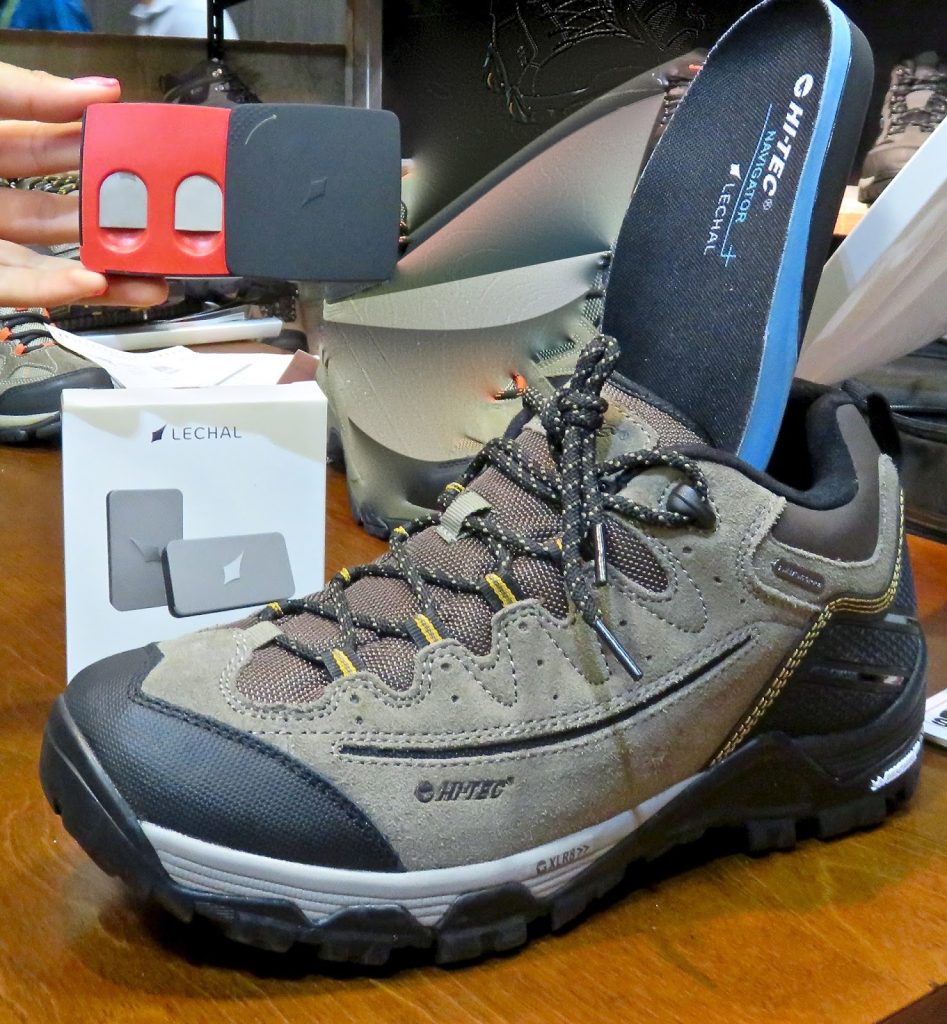
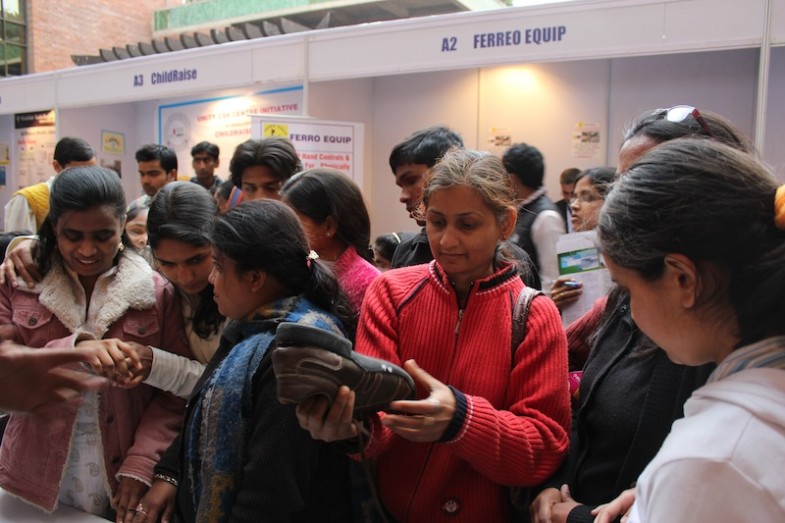
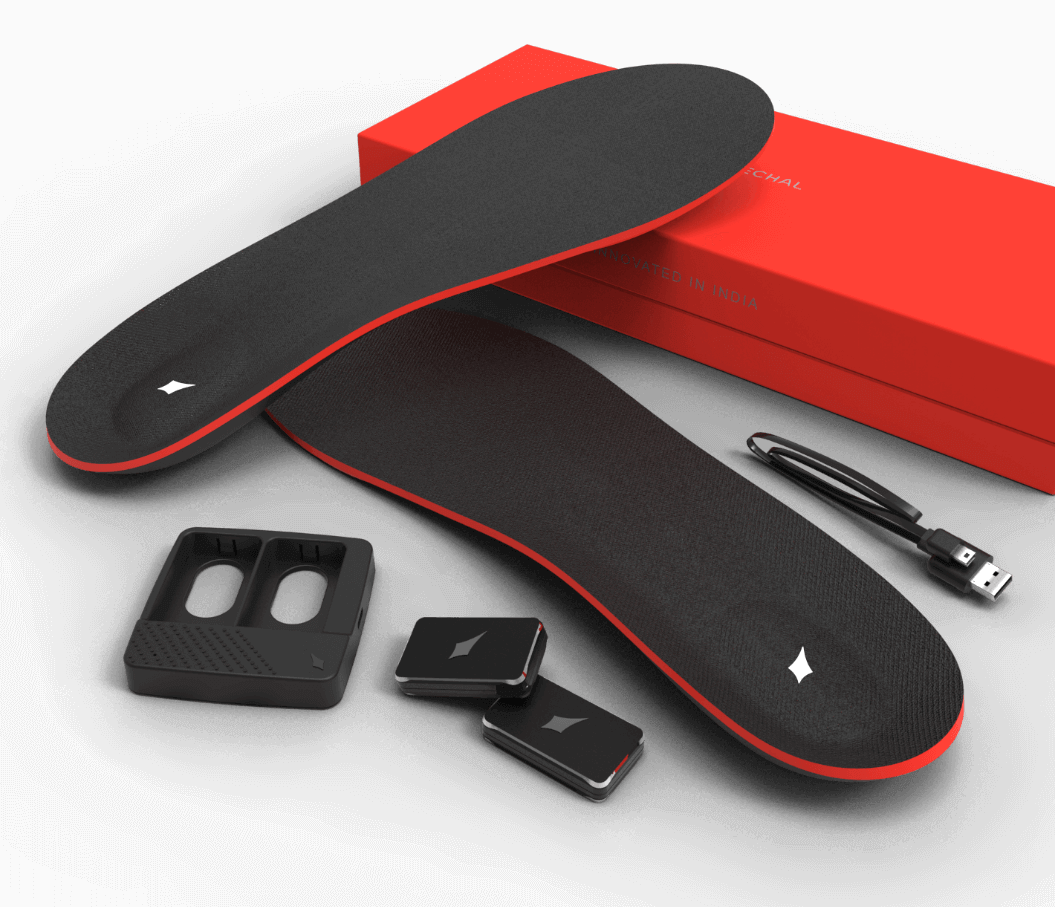
Clinical Study
A controlled user study was conducted at LV Prasad Eye Institute with 90 visually impaired participants (ages 18–65) to evaluate two primary aspects of the Lechal shoe system: (1) haptic spatial understanding and (2) pathfinding capabilities using foot-based vibrotactile cues. Participants were recruited via the institute's assistive technology outreach program and gave informed consent under ICMR guidelines.
Phase 1 — Haptic Spatial Understanding
| Metric | Result |
|---|---|
| Setting | Indoors, 10 trials per participant |
| Task | Cardinal-direction identification from vibrational pulses (N, S, E, W), turns, caution zones |
| Directional accuracy | 90–95% |
| Calibration | Vibration intensity/frequency tuned per participant; results from Phase 1 guided minor adjustments before Phase 2 |
Phase 2 — Pathfinding Trial
| Metric | Result |
|---|---|
| Route | 300-meter urban route near the institute, crossing ≥2 traffic signals, avoiding construction and curbside obstacles |
| Conditions | Lechal haptic only vs. Google Maps audio (counterbalanced) |
| Navigation time | ~10% faster with Lechal haptic guidance (p<0.05, paired t-tests) |
| Subjective stress | Lower reported stress with haptic cues — participants kept hearing free for ambient traffic sounds |
| Limitation | ~10% of users required stronger or more distinct vibration cues; further testing needed in varied weather conditions |
Conclusion: Reaction times improved and navigation became smoother — largely because haptic cues allowed participants to receive navigational signals through an underutilized sensory channel (the feet), keeping ears free for ambient safety awareness and reducing cognitive interference.
Gait Analysis
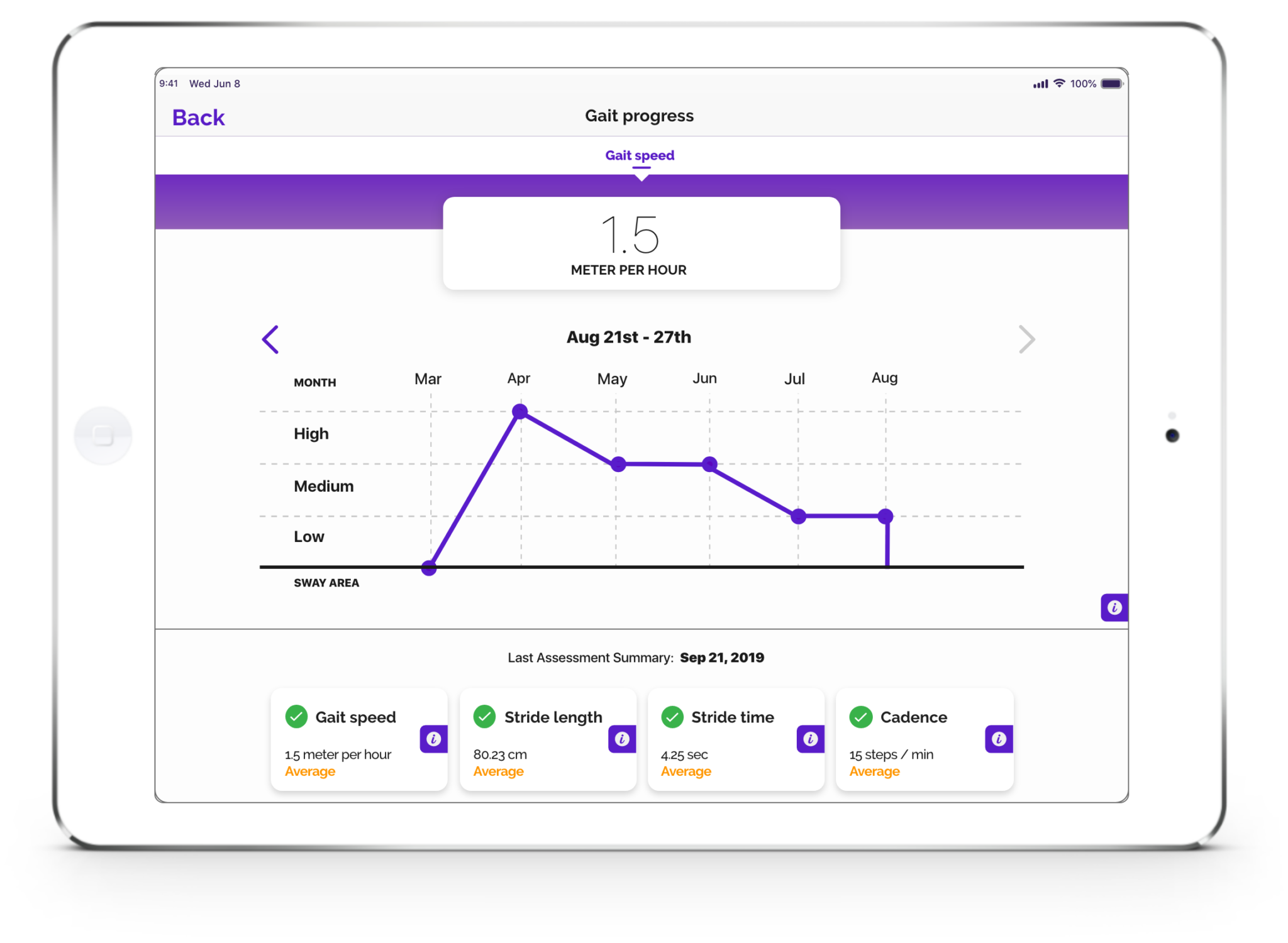
Central to the gait analysis system is an array of force-sensitive resistors (FSRs) placed strategically in the insole at the heel, midfoot, and forefoot to capture local pressure distribution. The sensors are inexpensive, highly durable, and simple to implement with a voltage divider.
A 32-sensor insole was built and tested. Sensors placed in areas under the heel, metatarsal-phalangeal joints, great toe, and the lateral arch provided the most influence — corresponding to the known biomechanical areas of loading in a typical plantar pressure distribution. Prototype costs of the entire insole and electronics were under $80.
The pipeline extracts domain-specific features — heel-to-toe transition time, stride frequency, and center-of-pressure progression — feeding a lightweight classification model to identify gait phases (heel strike, mid-stance, toe-off) and detect anomalies. The pipeline was iteratively refined using feedback from podiatrists on our team.
Impact
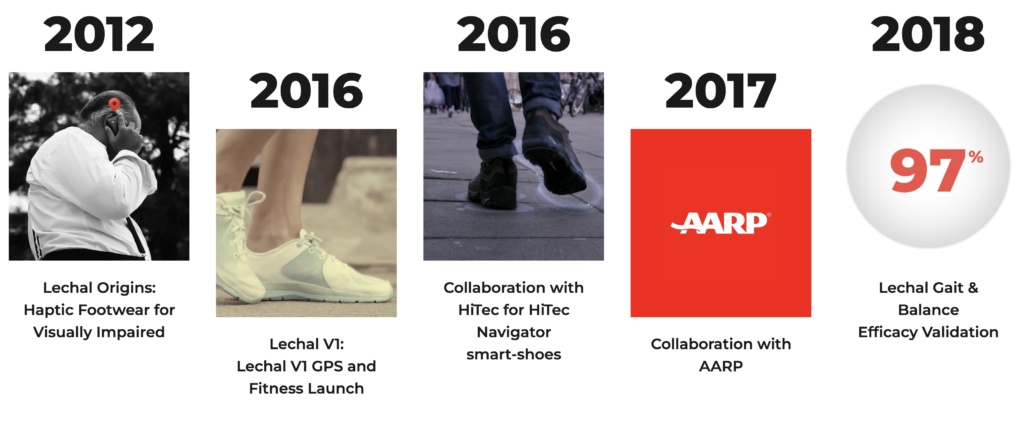
Lechal shipped as a product to more than 70 countries (100K+ units), for assistive navigation for blind, sports gait analysis, and helping aging populations with orthostatic tremors stand and sit normally without pain.
Recognition
| MIT Technology Review | Innovators Under 35 (TR35) |
| Forbes | 30 Under 30 |
| TIME | 100 Inventors |
| Intellectual property | USPTO Patent |
| Press | WIRED, TED (2M US-DoD Grant, 5M venture funding), Boston News, NS Medical Devices |
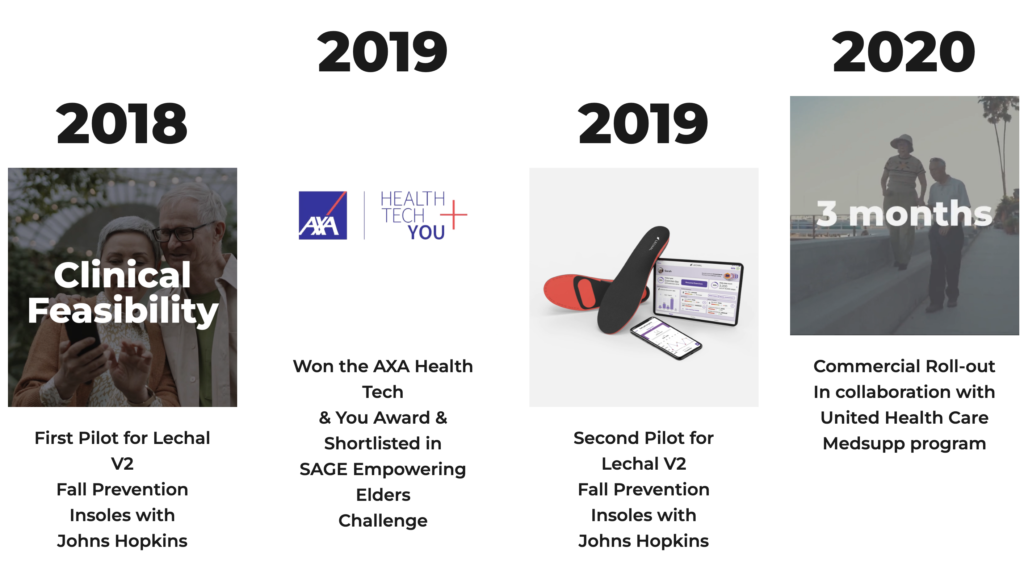
| Clinical partners | LV Prasad Eye Institute, Johns Hopkins University, AARP, United Health Care |
Lechal Initiative
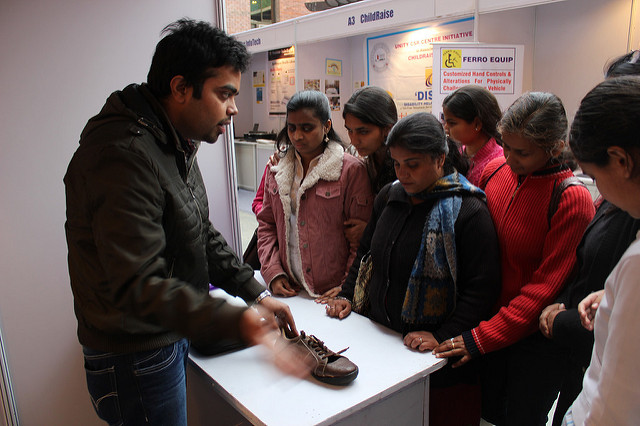
In collaboration with LV Prasad Eye Institute, Hyderabad — a charitable program subsidizing haptic footwear for visually impaired individuals across India.