Air-Synth

Carbon Emissions to Consumer Products
Air-Synth carbon capture reactor
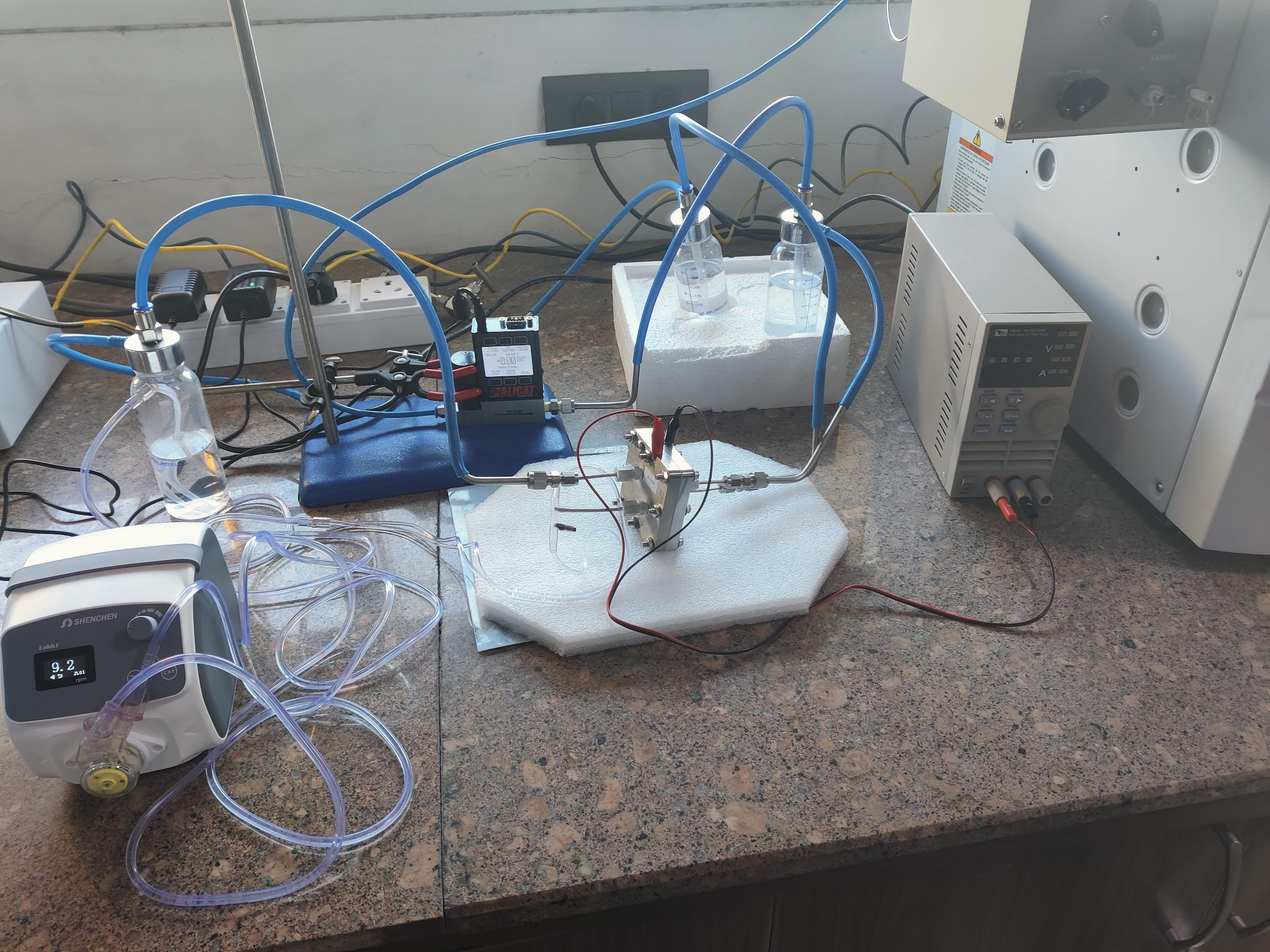
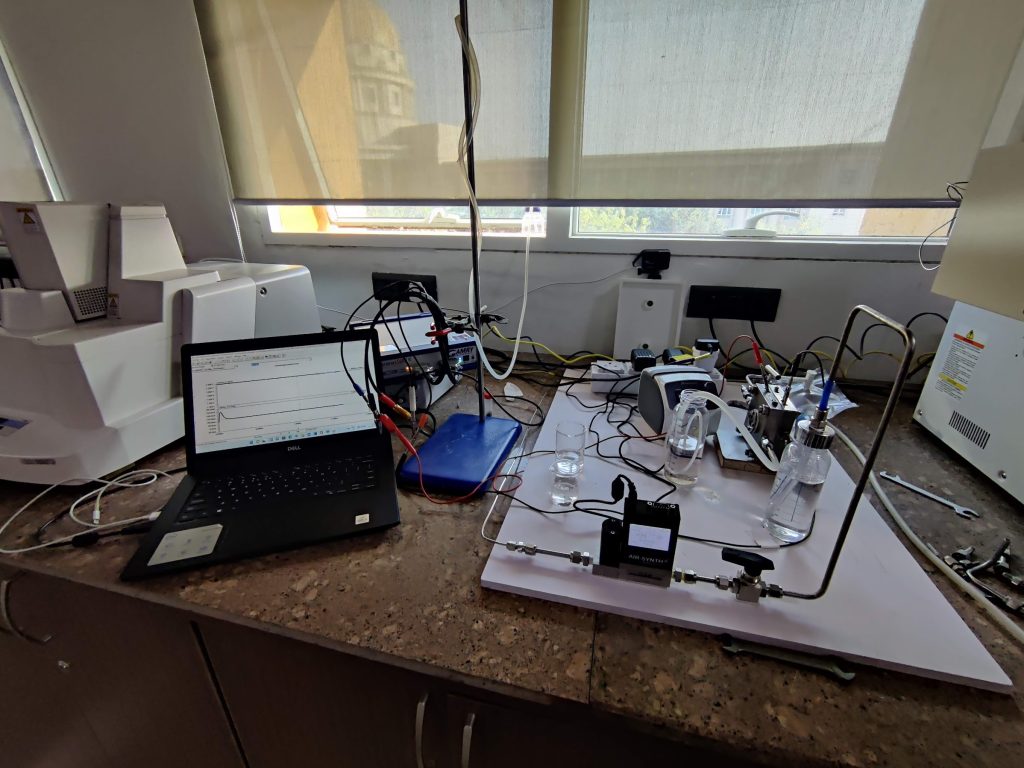
Benchtop electrochemical CO2 reduction prototype showing the reactor cell, gas humidification bubblers, peristaltic pump, and DC power supply interconnected via PTFE tubing for ambient-pressure catalytic conversion.

Presented at UN COP 27 and Falling Walls Berlin. The reactor design and build process have been open-sourced on Hackster for anyone to replicate.

Billions of tonnes of CO2 emissions are released into the environment every year leading to global warming and air pollution. However, if captured and recycled CO2 can be used as a raw feed to make C1-C2 industrial precursors. This has created a new circular opportunity that helps large companies produce sustainable products while reducing their CO2 impact.
Air-Synth reactor design
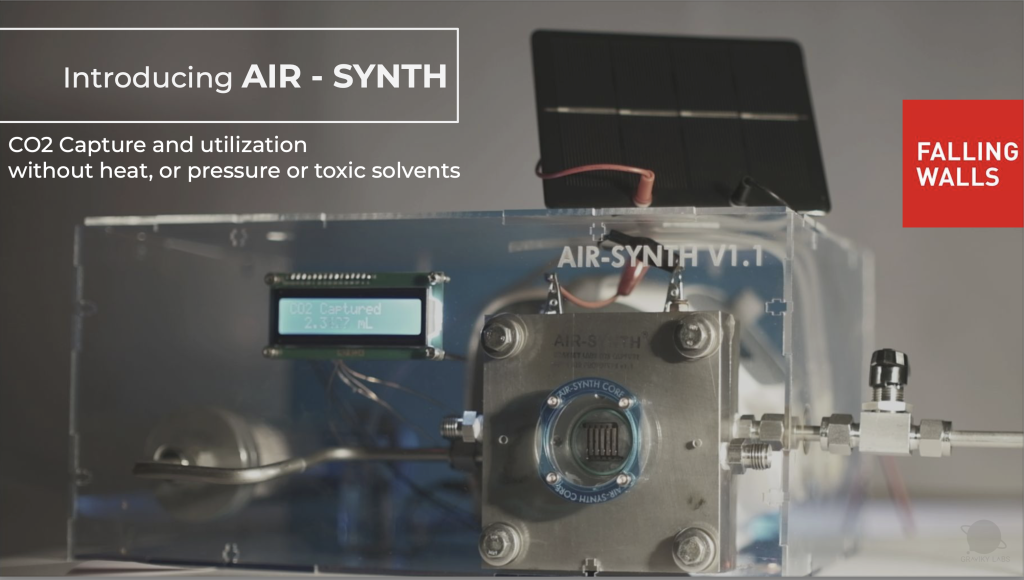
Rendered presentation slide introducing the Air-Synth v1.1 reactor: a patent-pending electrochemical system designed for CO2 capture and utilization without elevated heat, pressure, or toxic solvents.
Air-Synth carbon capture process
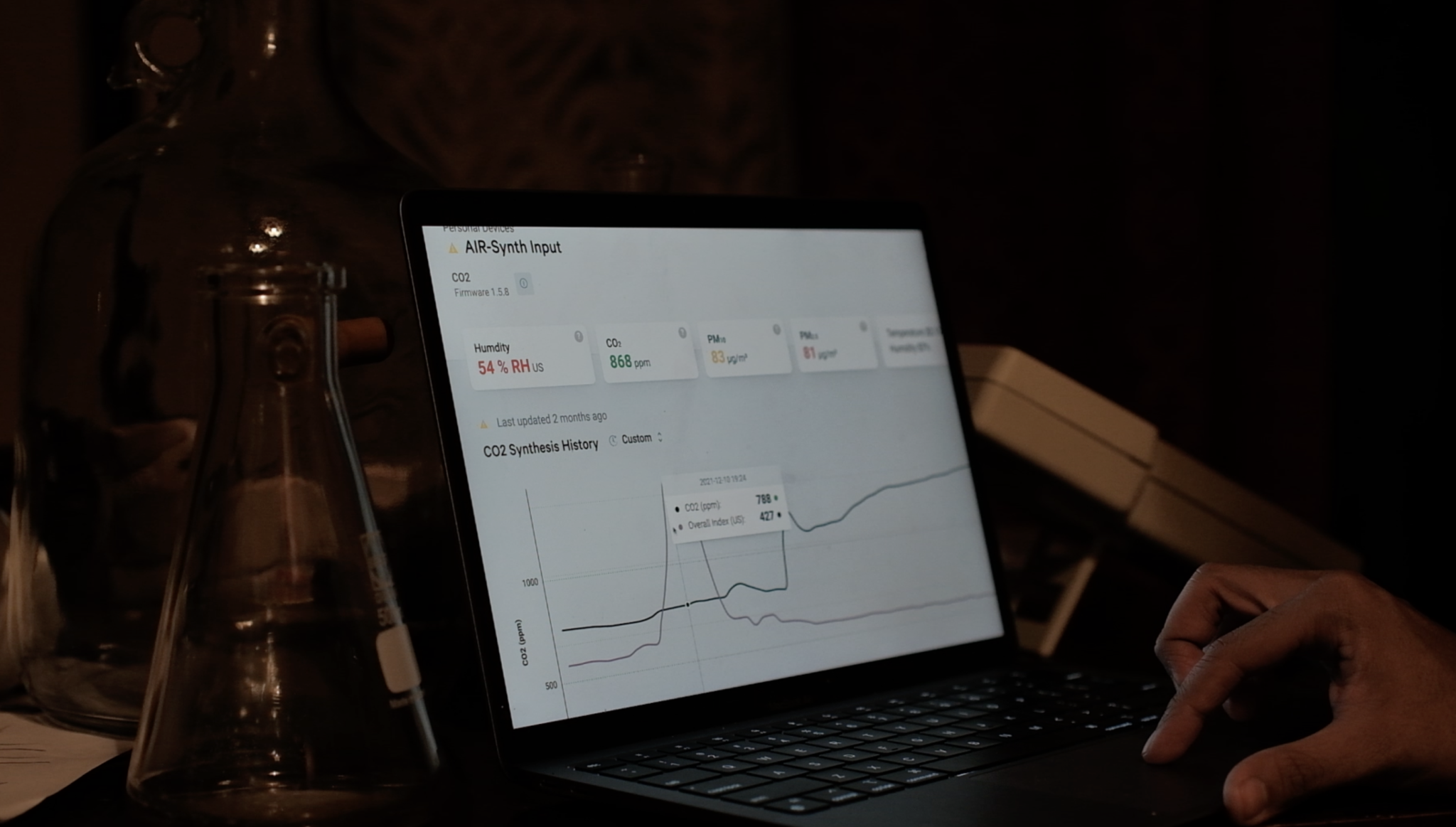
Real-time monitoring dashboard displaying CO2 input concentration, humidity, and synthesis metrics during an active electrochemical reduction run, with an Erlenmeyer flask visible alongside the reactor apparatus.

I led the carbon capture cell design and validation by organizing a small team of electro-chemical engineers (from the University of Birmingham, Manipal University, Fabmat Jaipur, and MIT) and industrial designers to help design a tabletop reactor that turns CO2 emissions from the air into ethanol, methanol, and ethylene industrial precursors.
Air-Synth team and prototype
Laboratory workstation during reactor validation, showing the Air-Synth electrochemical cell connected to a potentiostat, spectrophotometer, gas feed lines, and a laptop logging real-time electrochemical data.
Air-Synth catalyst design
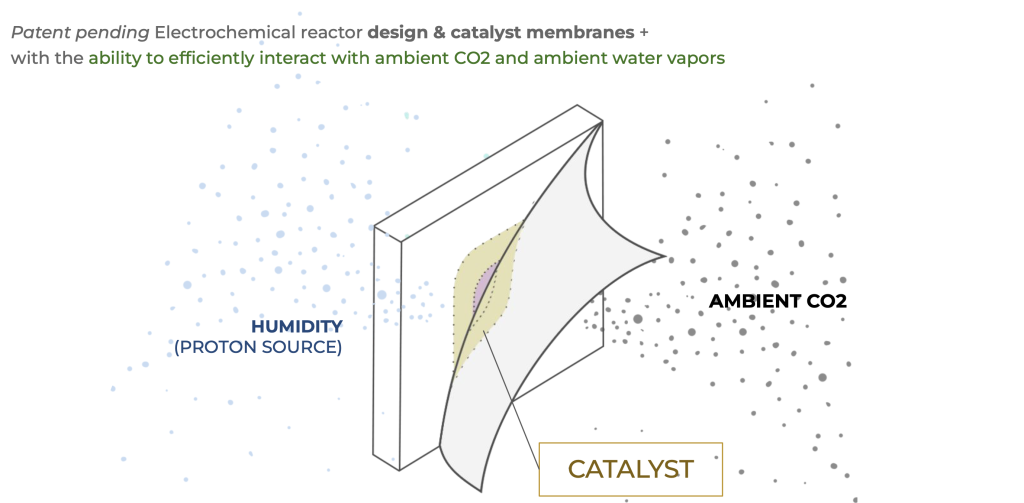
Schematic of the patent-pending electrochemical reactor membrane architecture, illustrating the interaction between ambient humidity (proton source), catalyst layer, and ambient CO2 feedstock at the membrane electrode assembly interface.

Goal: To be able to utilize CO2 emissions at room temperature pressure conditions to make 3D printing material, polymers, and Ethanol, on a <$200 catalyst and reactor BOM.
Air-Synth synthesis process
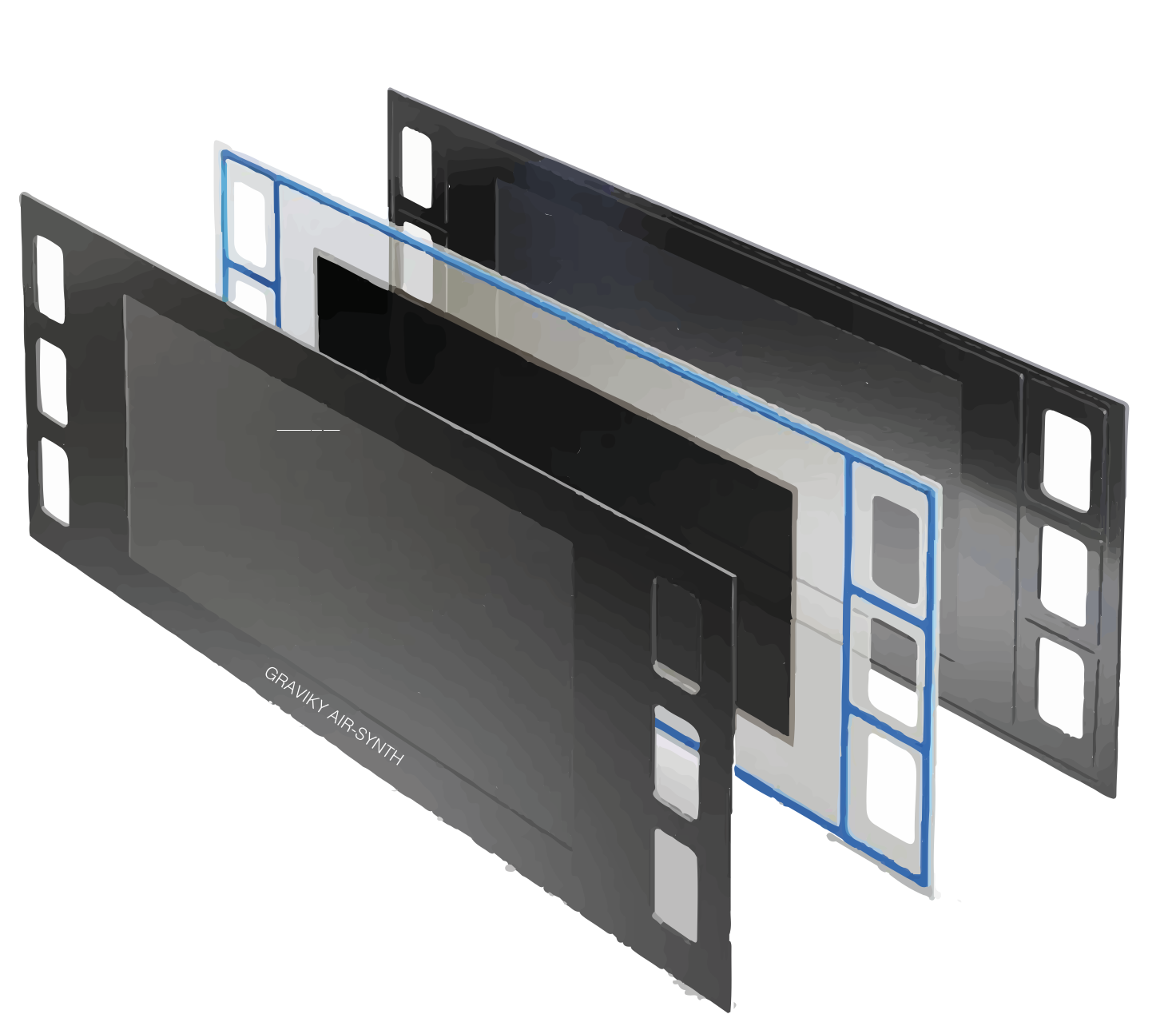
Exploded CAD view of the stacked reactor cell assembly, showing gasket-sealed electrode plates, flow-field channels, and bolt-pattern alignment for gas-tight compression of the membrane electrode assembly.
Air-Synth gas analysis
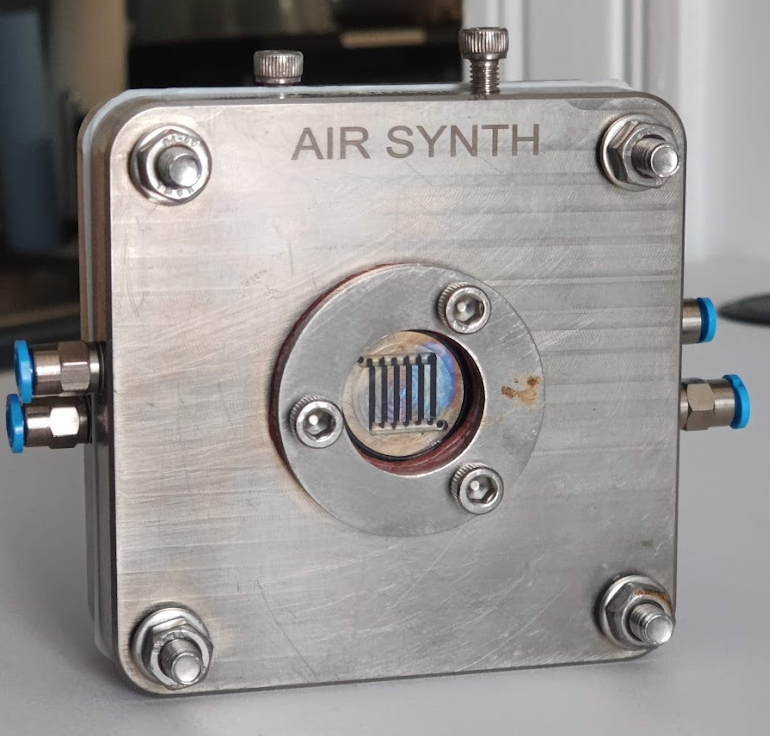
Close-up of the machined stainless-steel Air-Synth reactor cell, featuring a central catalyst window, compression bolts, and quick-connect gas fittings for CO2 inlet and product-stream outlet.

The modular design is currently being developed in collaboration with Open Air collective.
Air-Synth modular design
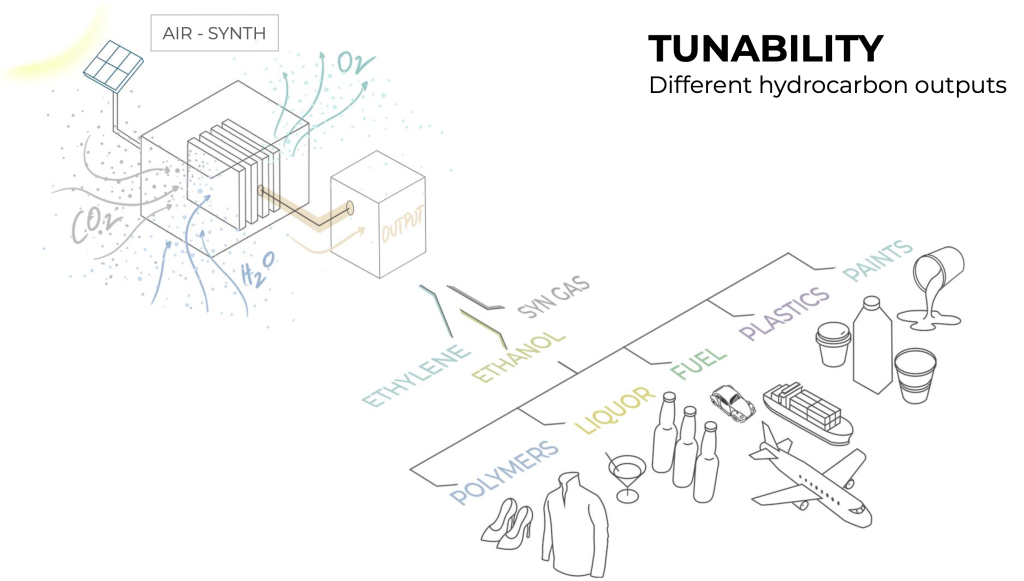
Tunability diagram illustrating the range of hydrocarbon outputs achievable by varying catalyst composition and operating parameters, including ethylene, ethanol, syngas, polymers, liquid fuel, plastics, and paints.
Air-Synth testing setup
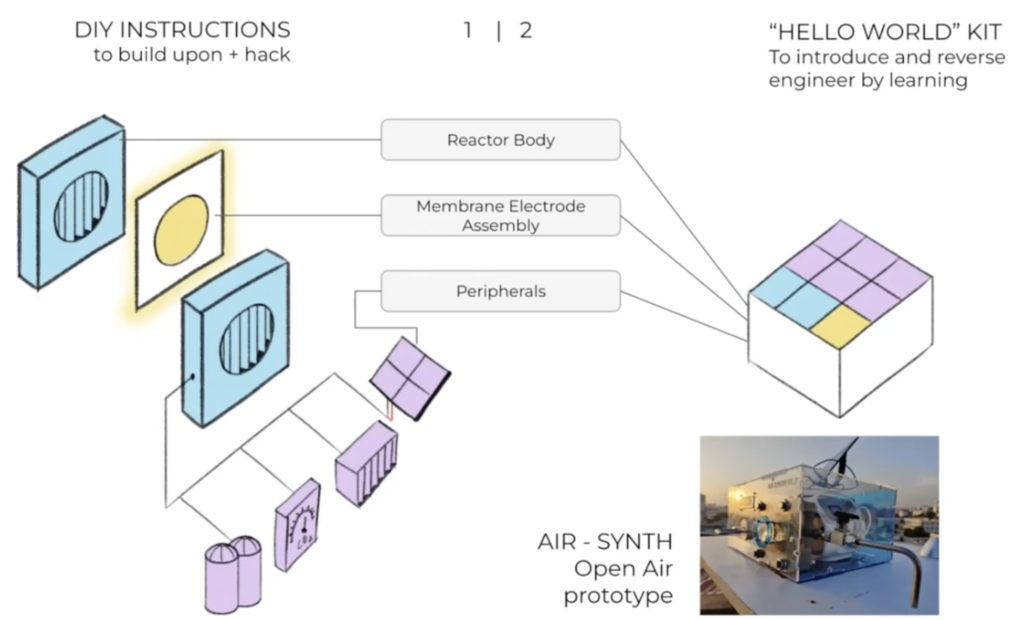
Open-source "Hello World" kit architecture for the Air-Synth Open Air prototype, depicting modular sub-assemblies -- reactor body, membrane electrode assembly, and peripherals -- designed for DIY replication and reverse-engineering.
Air-Synth catalyst analysis
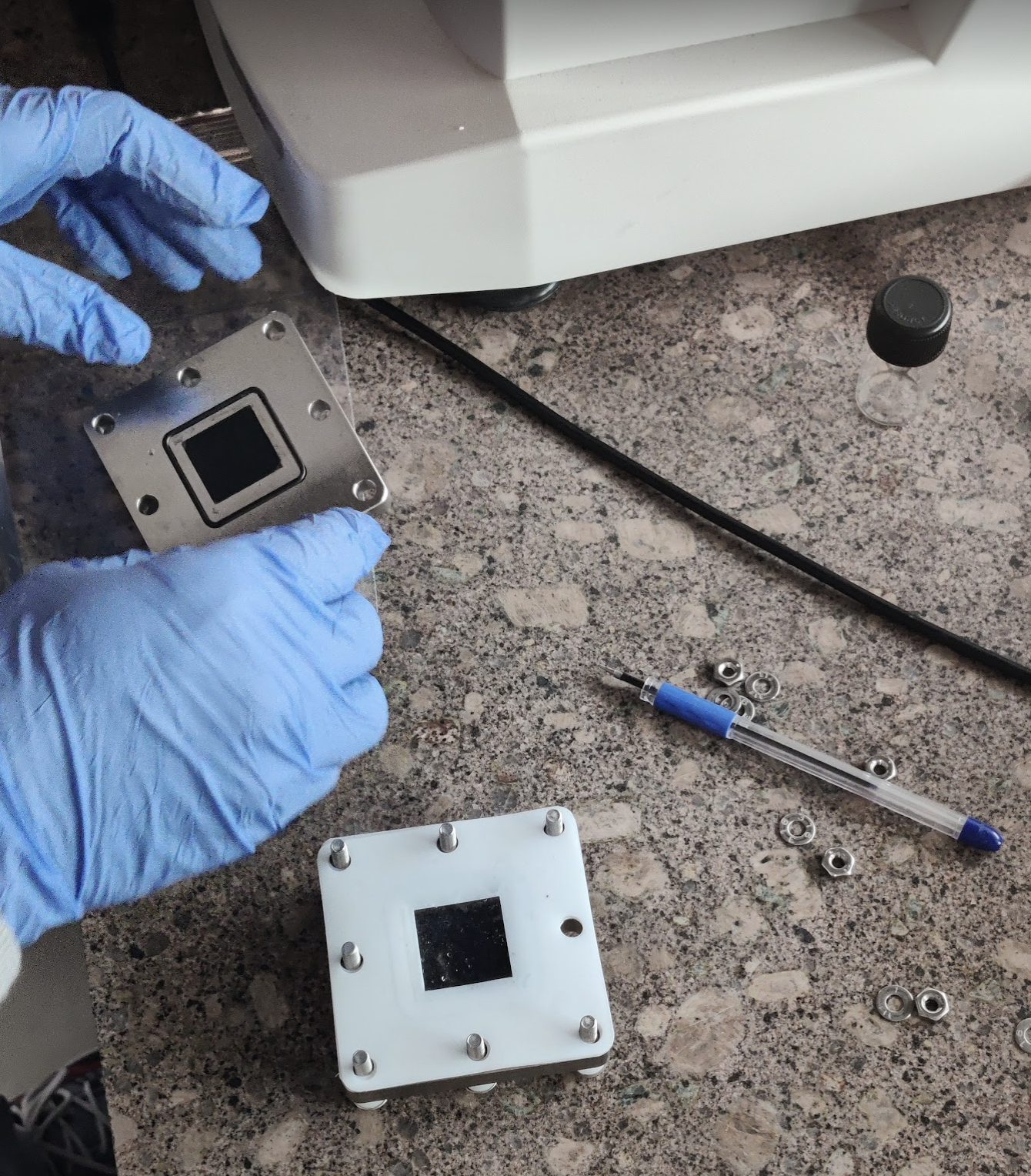
Gloved researcher handling a disassembled reactor half-cell with a carbon-coated catalyst electrode visible at center; a second cell housing with deposited catalyst material and assembly hardware rest on the laboratory bench.