AIR-INK

Printing with captured carbon

AIR-INK carbon capture to ink pipeline
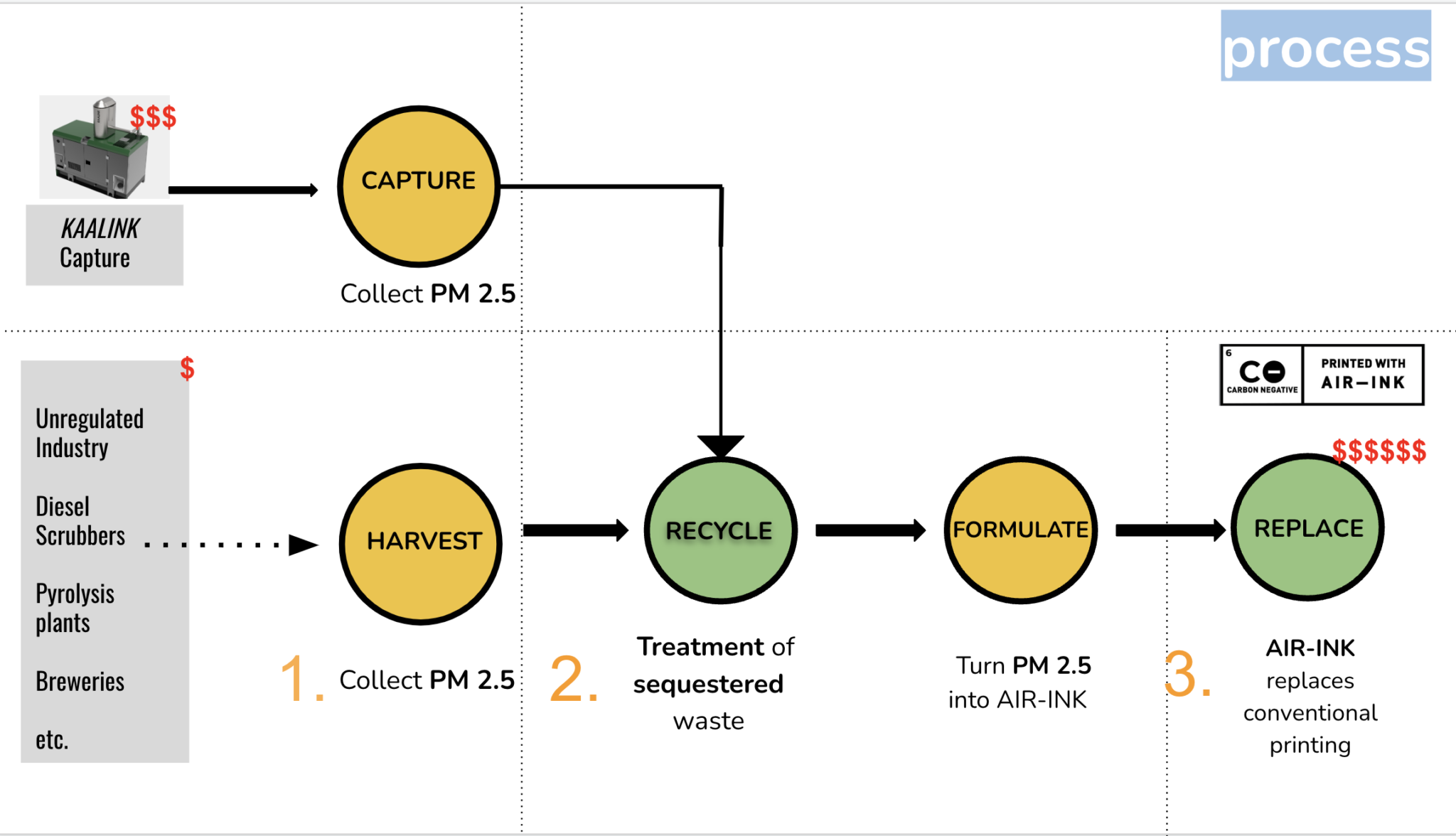
End-to-end AIR-INK production pipeline: PM2.5 capture via the Kaalink device, harvesting from unregulated emission sources (diesel generators, pyrolysis plants, breweries), treatment and recycling of sequestered carbonaceous waste, formulation into pigment, and replacement of conventional fossil-derived carbon black.
Why AIR-INK addresses air pollution
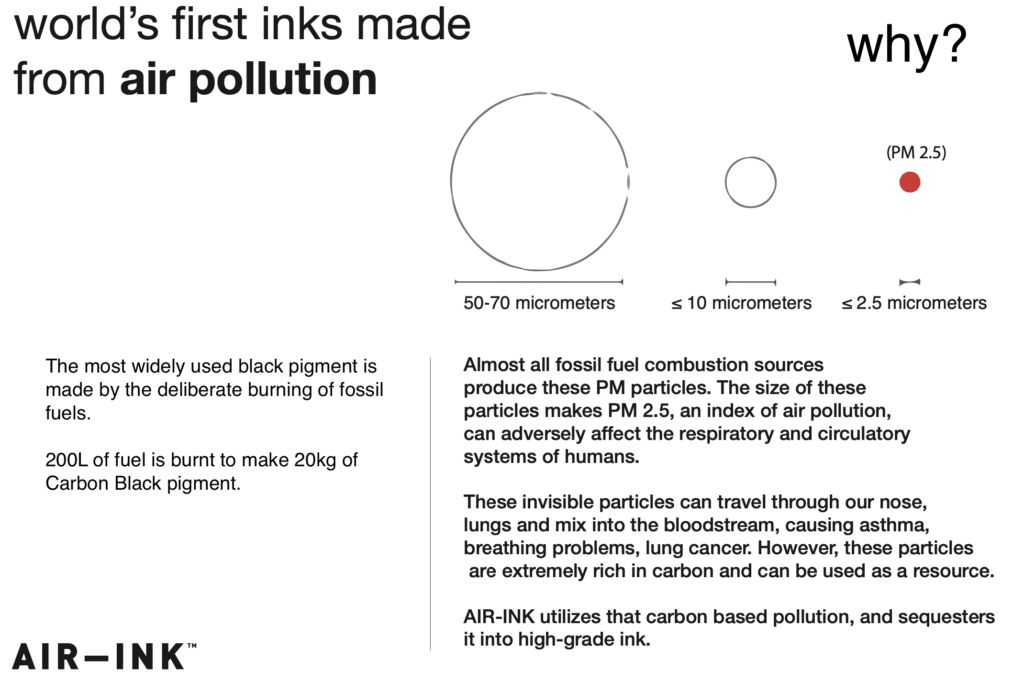
Comparative particle-size diagram illustrating the scale of PM2.5 (≤2.5 μm) relative to coarser particulate fractions (50–70 μm and ≤10 μm). Conventional carbon-black pigment production burns approximately 200 L of fuel per 20 kg of pigment; AIR-INK sequesters equivalent carbon-rich particles directly from combustion exhaust.

According to WHO, 5–6 million people die every year as a result of exposure (direct and/or indirect) to air pollution. Much of these emissions come from fossil fuels; when fossil fuels burn, they produce carbon-rich atmospheric particles (also known as PM2.5) that pollute the air and cause climate change. The global warming potential of carbon PM is 460 times higher than CO2. AIR-INK is made by a proprietary process that utilizes a filter-less media to capture PM2.5 carbon emissions, treat them for impurities, and turns them into industrial pigments, ink, and composite materials. I led the technical development and engineering. This work went through joint-development pilots at multiple locations with top international corporations such as Kering Group, DELL, Pangaia, Mastercard, and Diageo Group, featured at World Economic Forum, UN Environment as a case-study.

It addresses two problems related to air pollution and the circular economy:

Firstly, it prevents the release of carbon emissions/PM2.5/particulate matter and air pollutants into air; Secondly, (hence) it replaces carbon black in the ink-making process, thereby aiding the printing industry in reducing its dependence on fossil fuels.

We designed a filterless capture technology, and treatment process to harvest and utilize carbon emissions.

Winner: MIT SOLVE 2020, Shell – Make The Future Grant, General Motors Circular Economy Grant 2020, Finalist – Masschallenge 2019

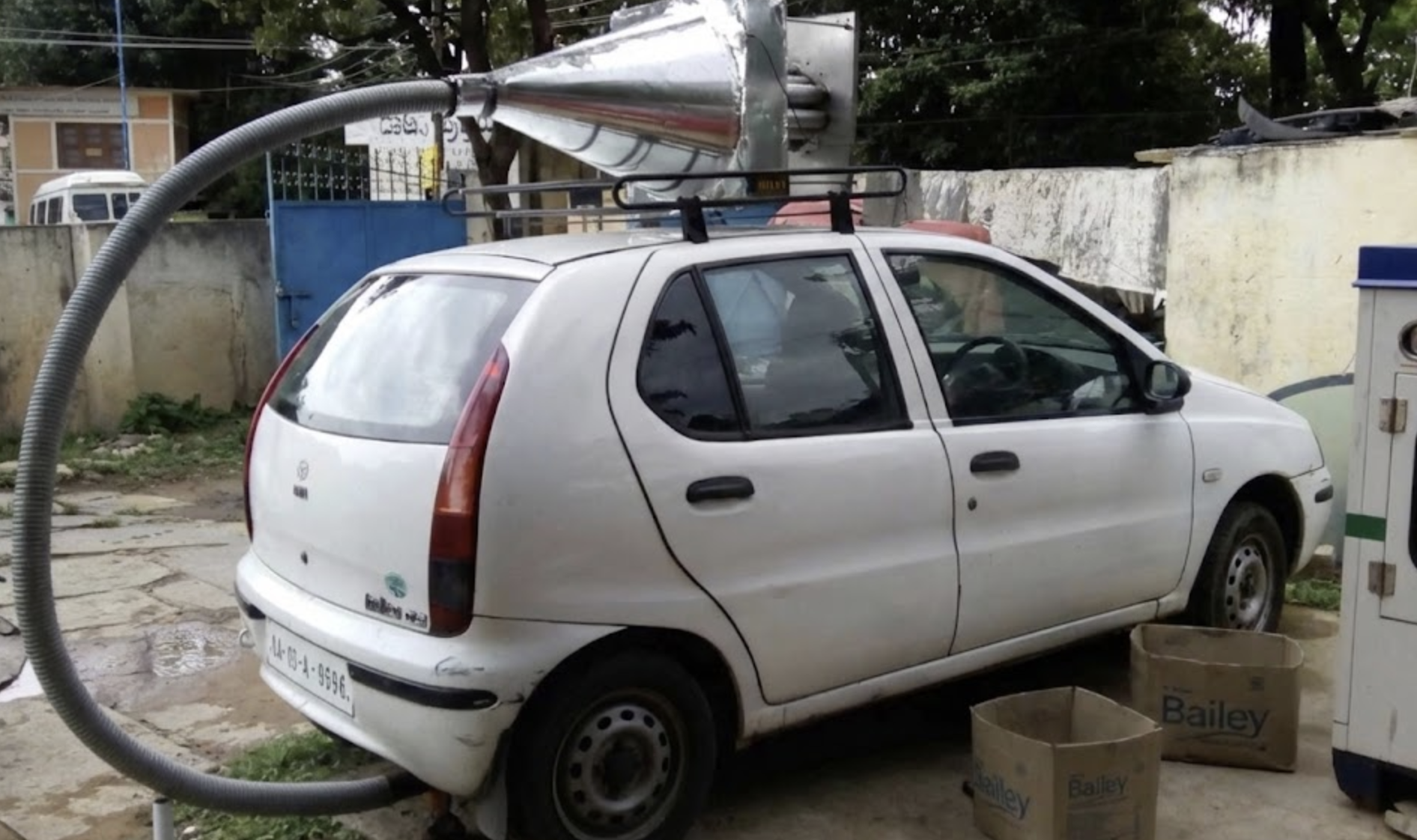
Kaalink early prototype for vehicular capture
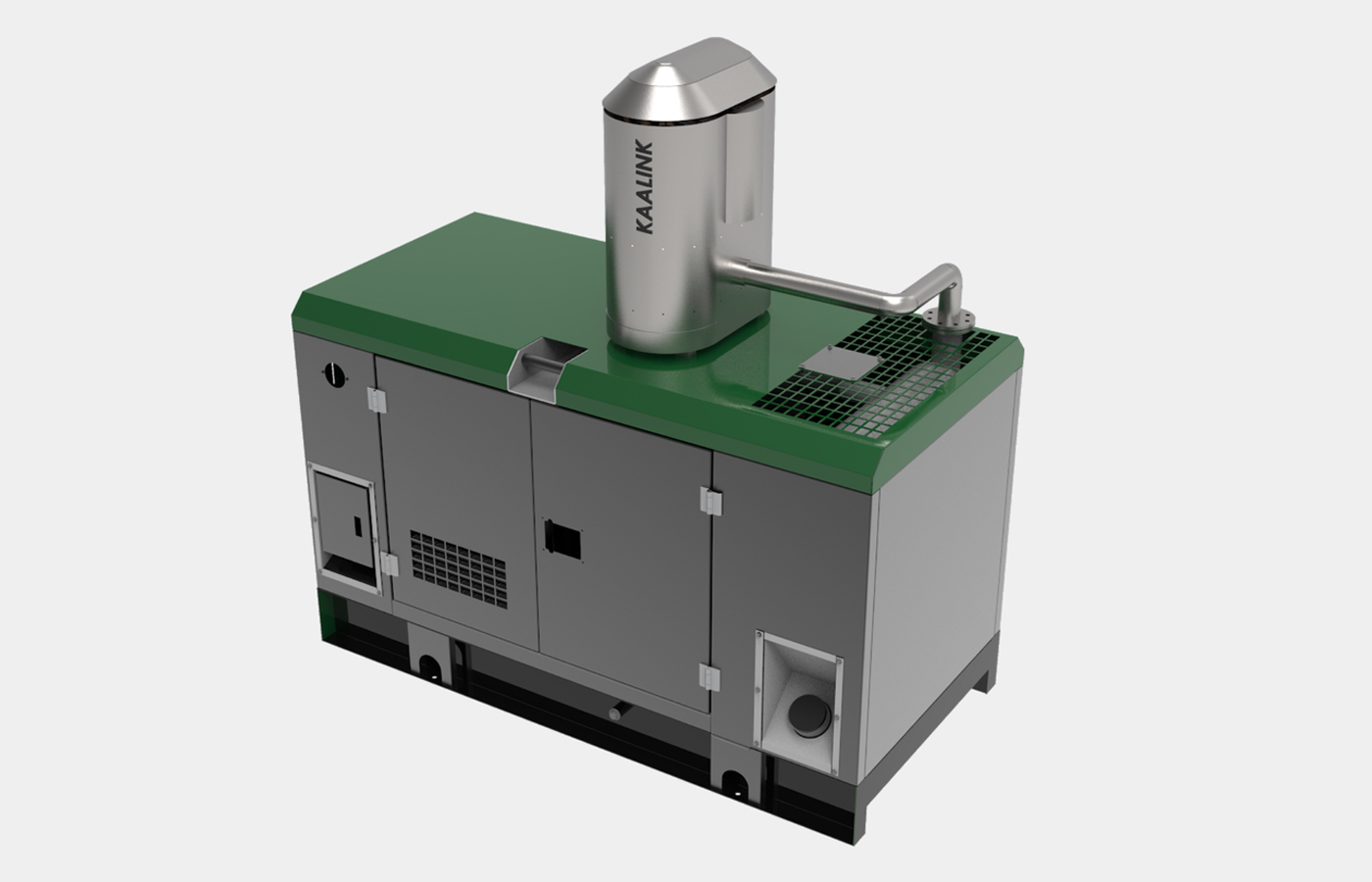
CAD rendering of the Kaalink stationary-source capture unit integrated atop a diesel generator (DG) set. The filterless emission-capture module (stainless-steel cylinder) interfaces directly with the exhaust stack to intercept PM2.5 particulate matter before atmospheric release.
Kaalink DG set prototype for capturing PM2.5 from stacks
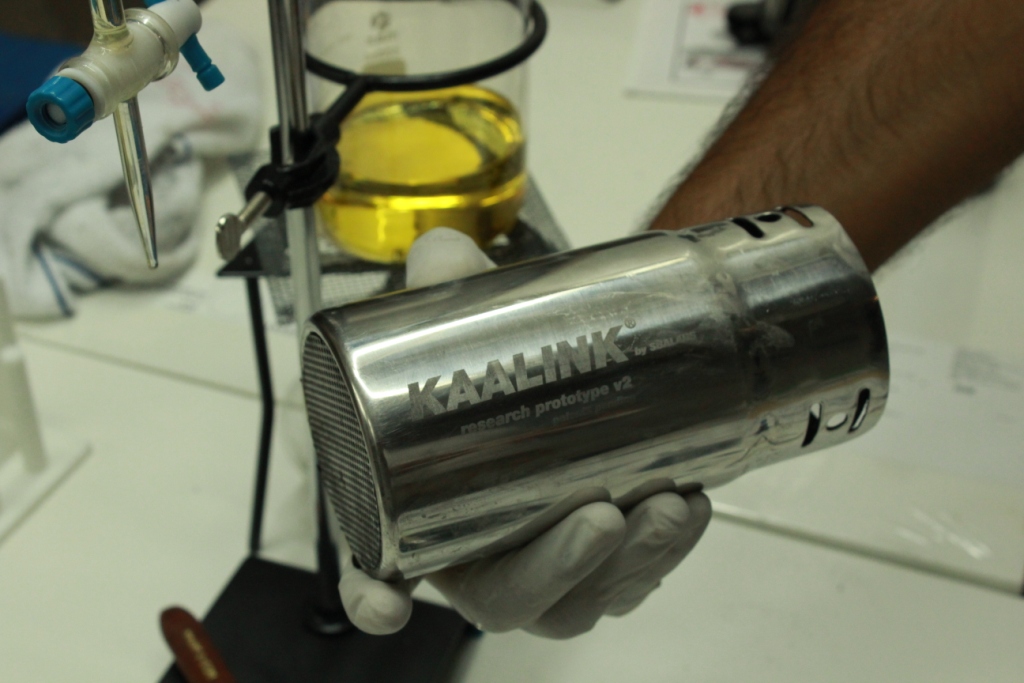
Kaalink research prototype v2 for vehicular tailpipe mounting, shown in a laboratory setting. The machined stainless-steel cylindrical housing contains the filterless carbon-capture medium; laboratory glassware with solvent is visible in the background, used during the post-capture particulate extraction and purification process.
AIR-INK product range
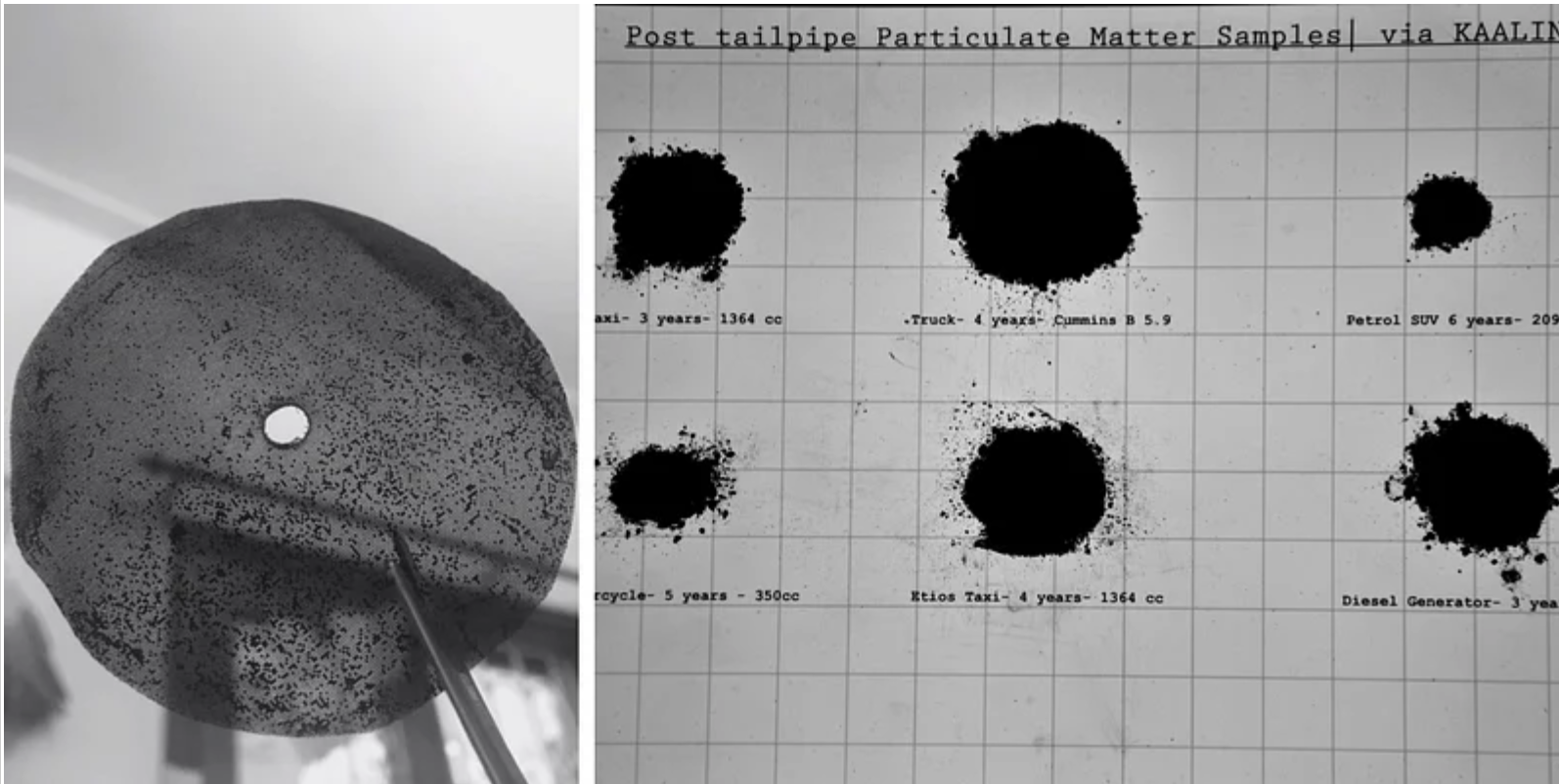
Left: internal view of the Kaalink capture cartridge showing accumulated carbonaceous soot deposits on the collection substrate. Right: classified post-tailpipe particulate-matter samples harvested via Kaalink from multiple vehicle types and engine ages, demonstrating variation in carbon morphology and yield across diesel and petrol combustion sources.
AIR-INK applications
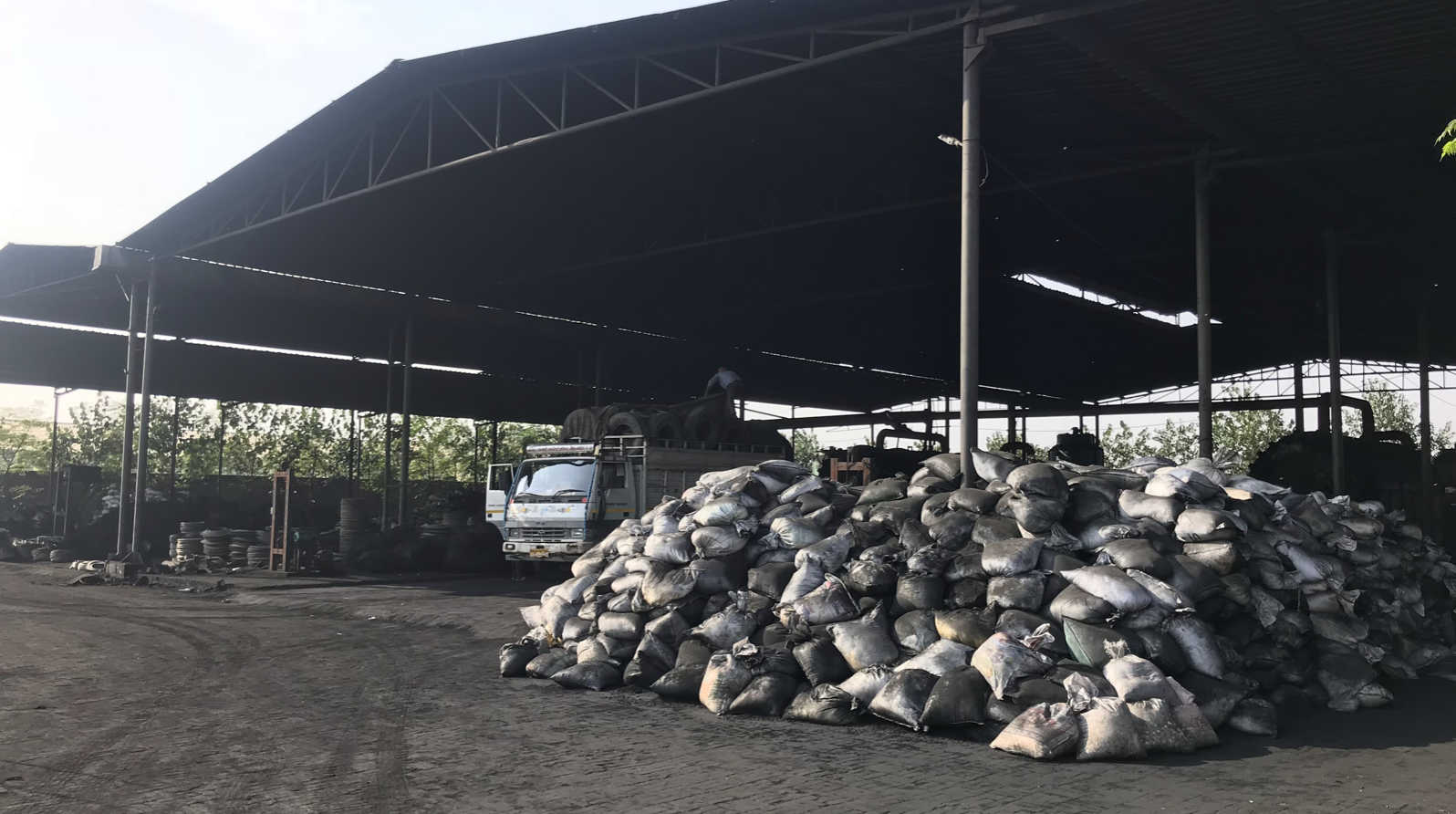
Bulk inventory of sequestered carbon particulate stored in sacks at an industrial harvesting facility, representing raw feedstock awaiting treatment and refinement into AIR-INK pigment.
AIR-INK product
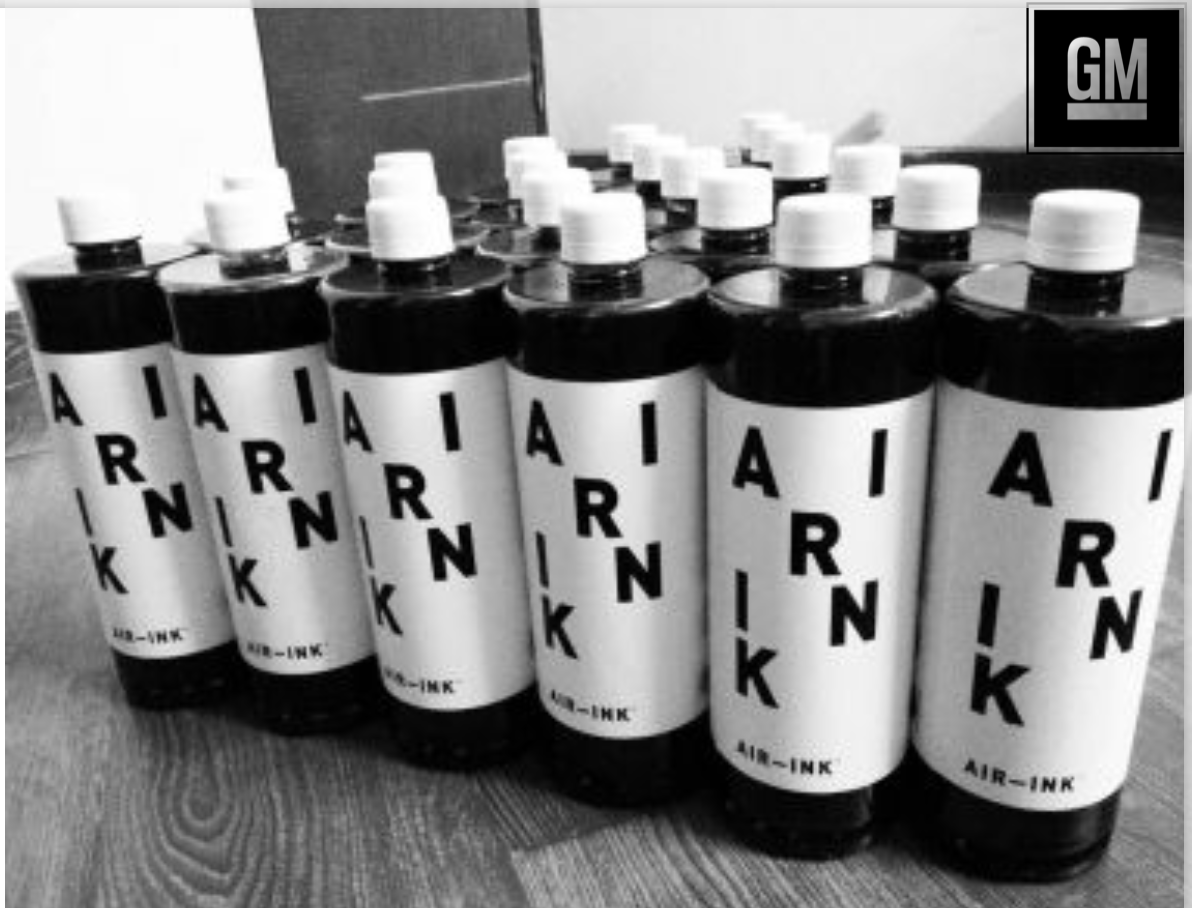
Production batch of AIR-INK bottled pigment, formulated from sequestered vehicular carbon emissions. Each bottle contains carbon-based ink derived from captured PM2.5 particulate matter.

Collaboration with Carbon Tile

Credit: Tejas Sidnal, Giriprasad K. Carbon Craft Design utilizes one tonne of black carbon particles removed from the atmosphere in 2020. The team also employs local artisans from other parts of India to use a traditional handcrafted technique to make cement tiles instead of the conventional vitrified tiles that involve large energy consumption during manufacturing and polishing.

Carbon Craft Design tiles
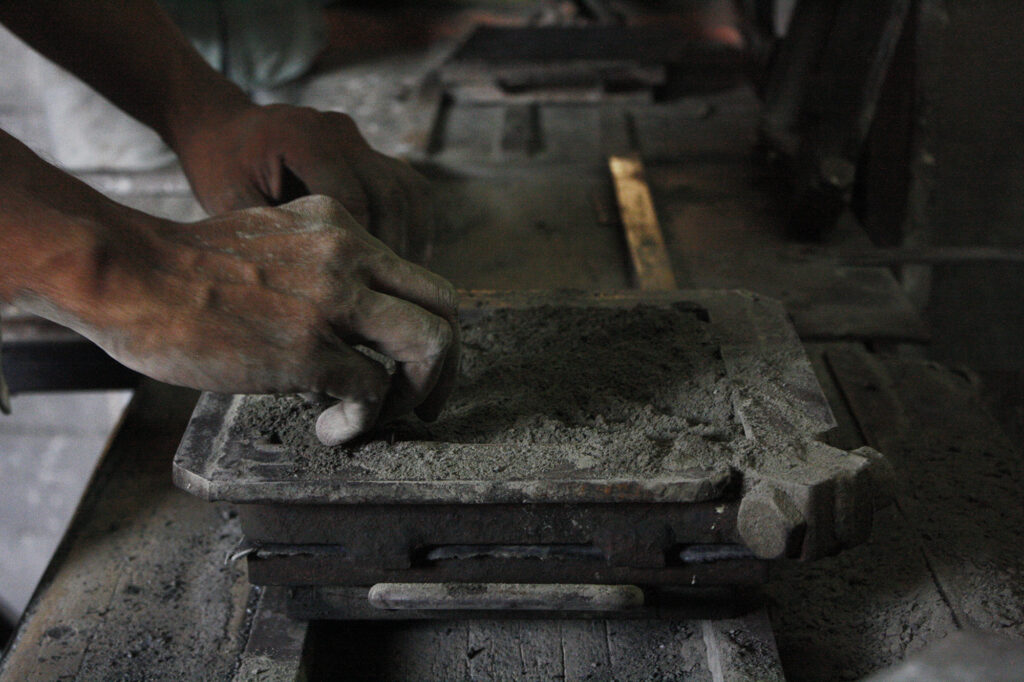
Artisan hand-packing a carbon-pigmented cement mixture into a tile mold during the traditional handcrafted fabrication process. The carbon-black aggregate used as the chromatic agent is derived from sequestered atmospheric particulate matter supplied by AIR-INK.
Carbon Craft tiles made with AIR-INK carbon
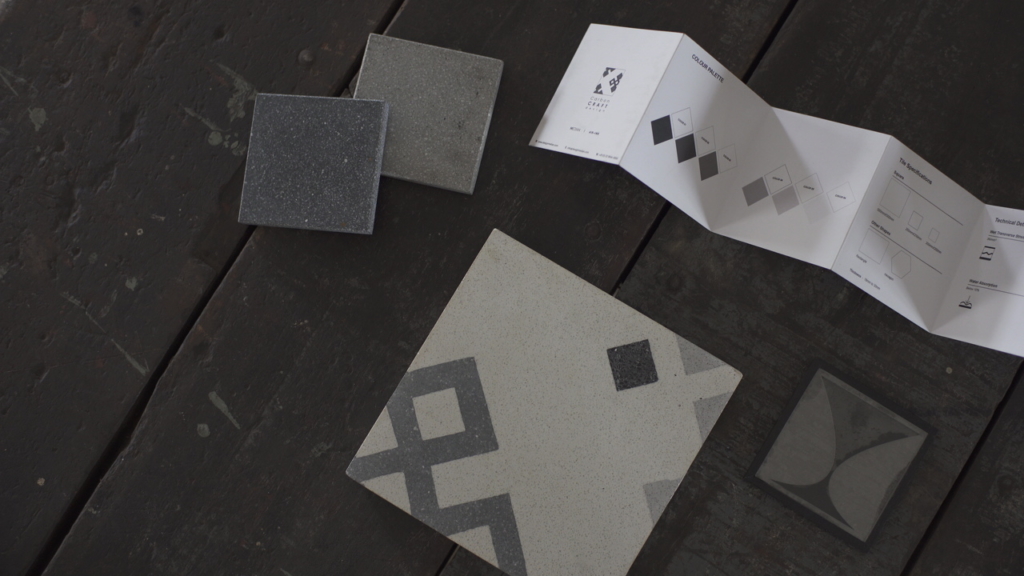
Finished Carbon Craft Design tile samples and product specification sheet displaying geometric patterns achieved through varying concentrations of AIR-INK-derived carbon pigment in the cement matrix, producing a tonal gradient from light grey to near-black.

Image credits: Carbon Craft Tiles

Carbon tile collaboration
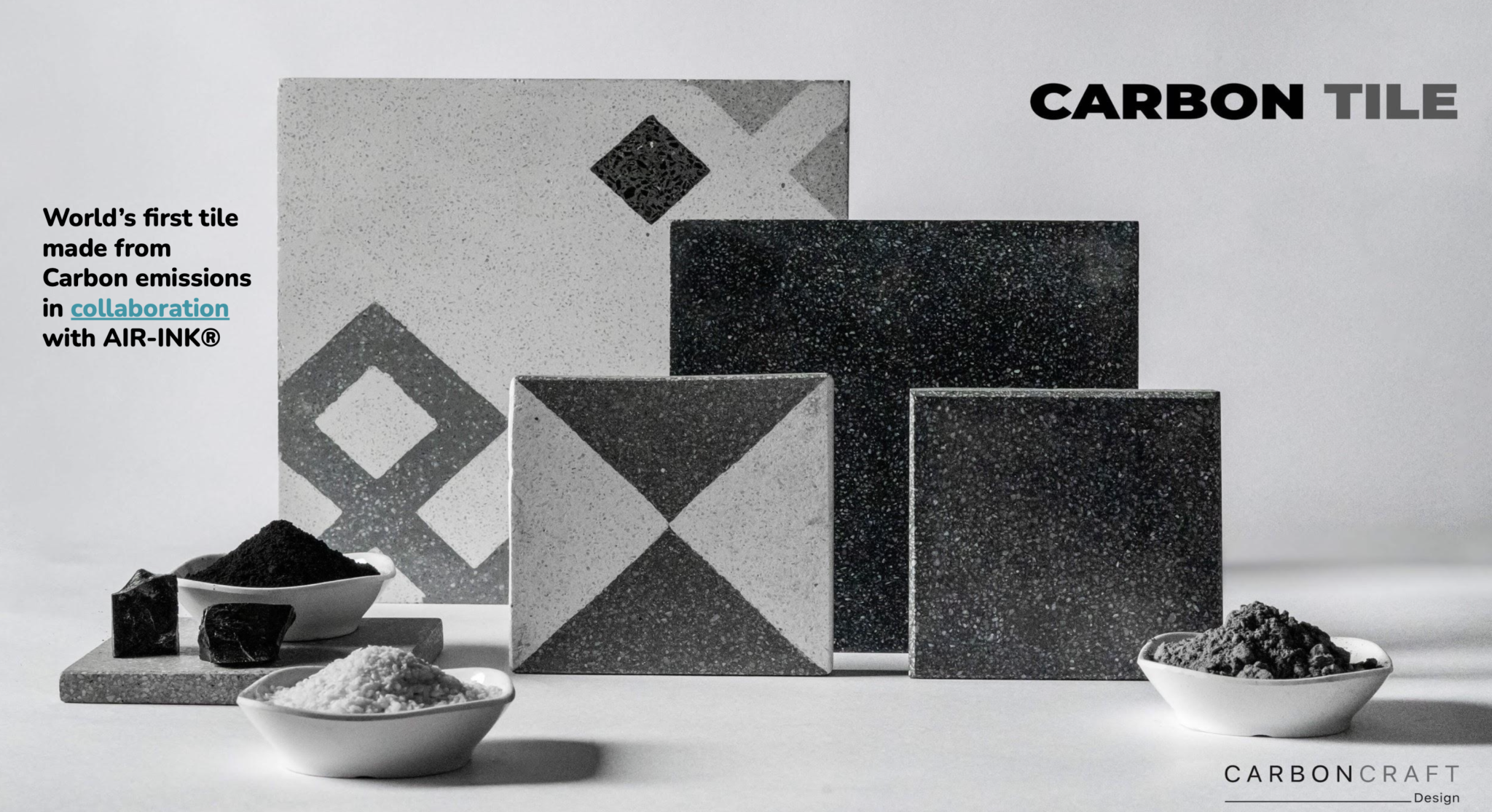
Carbon Tile product line produced in collaboration with AIR-INK. Tiles of varying dimensions and geometric patterns are shown alongside raw carbon pigment and white cement base material, demonstrating the range of chromatic densities achievable with emission-derived carbon as the sole colorant.

Industrial Pilots for Flexographic and Surface Printing with Diageo International

Diageo Johnnie Walker bottles printed with AIR-INK
Large-format outdoor advertisement for the Johnnie Walker Black Label x AIR-INK limited edition, featuring the Warsaw-inspired bottle designed by Alek Morawski. The label graphics were printed entirely with ink derived from captured air pollution, deployed across six international markets by Diageo.
AIR-INK transferred to bottles via Diageo manufacturing
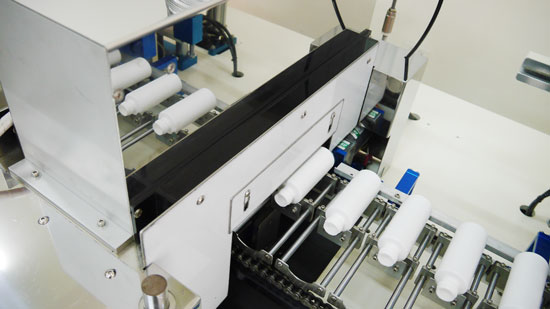
Industrial bottle-printing line at a Diageo manufacturing facility, transferring AIR-INK-based graphics onto Johnnie Walker bottles via automated surface-printing rollers. The process validates the compatibility of emission-derived carbon pigment with high-throughput commercial printing equipment.
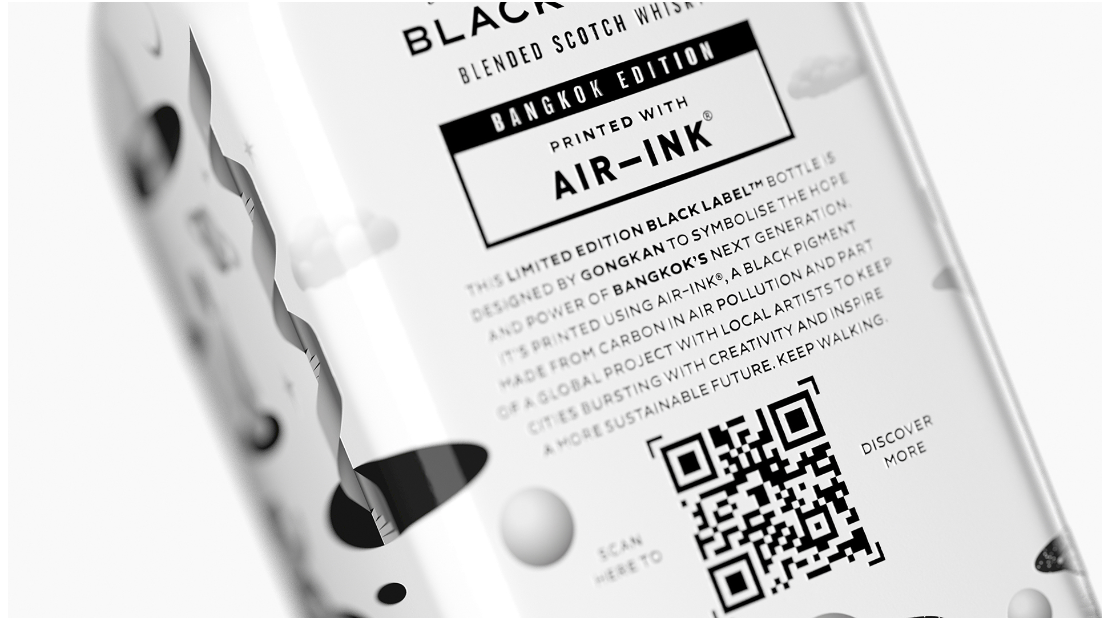
Diageo Johnnie Walker Black x AIR-INK press release
Close-up of the Johnnie Walker Black Label limited edition bottle label, printed with AIR-INK. The label denotes the "Printed with AIR-INK" designation and QR code for provenance tracking, documenting the use of sequestered carbon particulate as the sole pigment source in the flexographic printing process.

DELL Packaging Pilot and Case-study

Dell collaboration with Graviky Labs
Dell packaging printed with AIR-INK carbon pigment by Graviky Labs, bearing the "Printed with AIR-INK" certification mark. This pilot demonstrated the feasibility of substituting fossil-derived carbon black with emission-captured particulate in commercial corrugated packaging print runs.
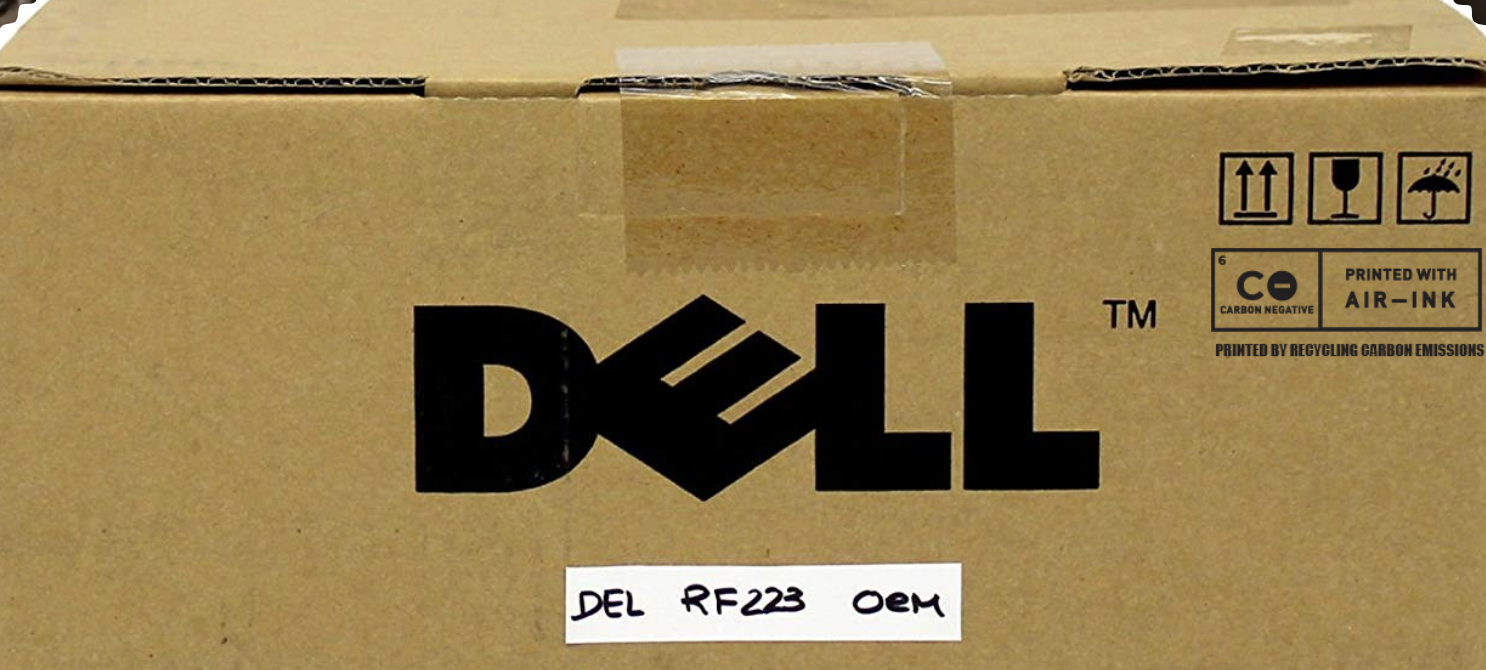
Dell packaging pilot
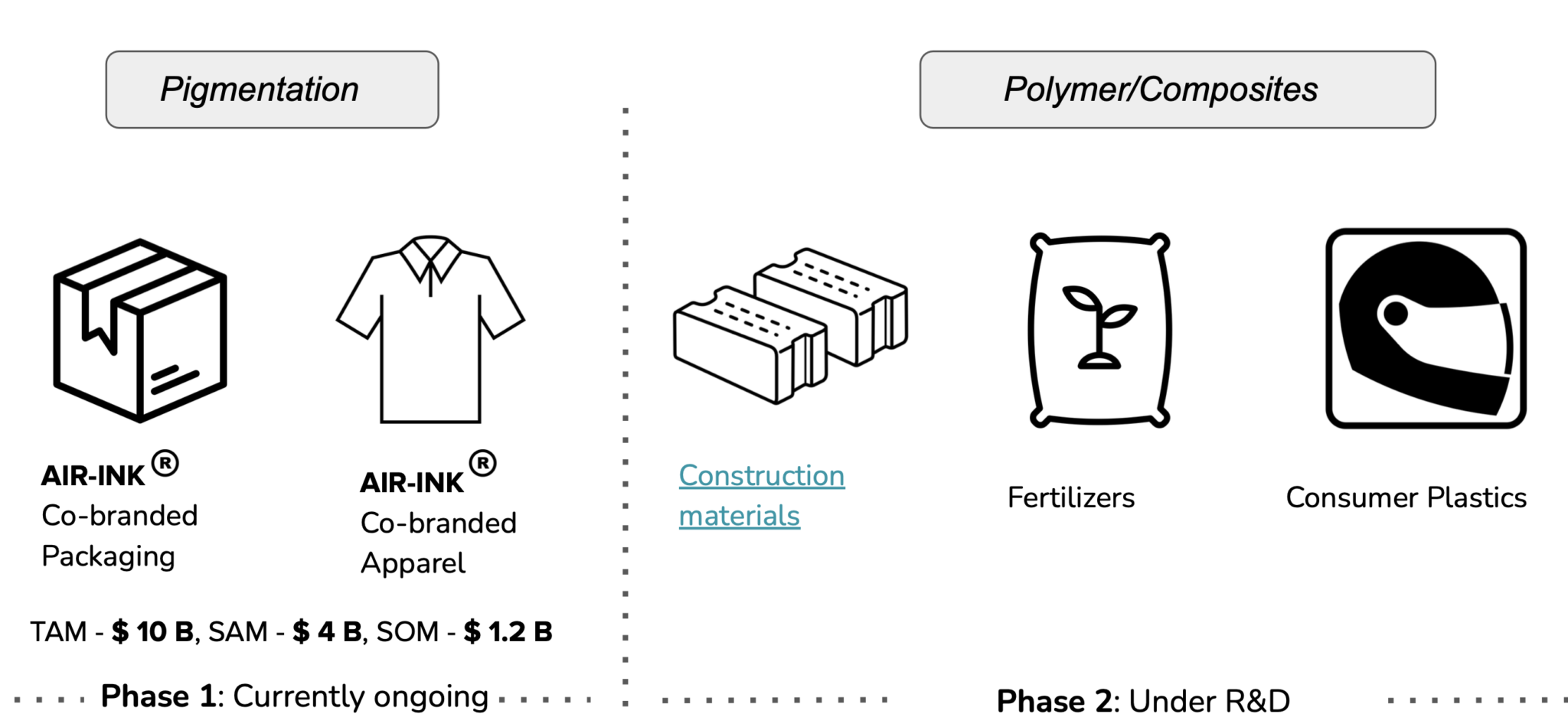
Market application roadmap for AIR-INK-derived carbon: Phase 1 (ongoing) targets pigmentation use-cases including co-branded packaging and apparel; Phase 2 (R&D) extends the material into polymer/composite applications such as construction materials, fertilizer carriers, and consumer plastics.

Commercial Scale and Cultural Adoption

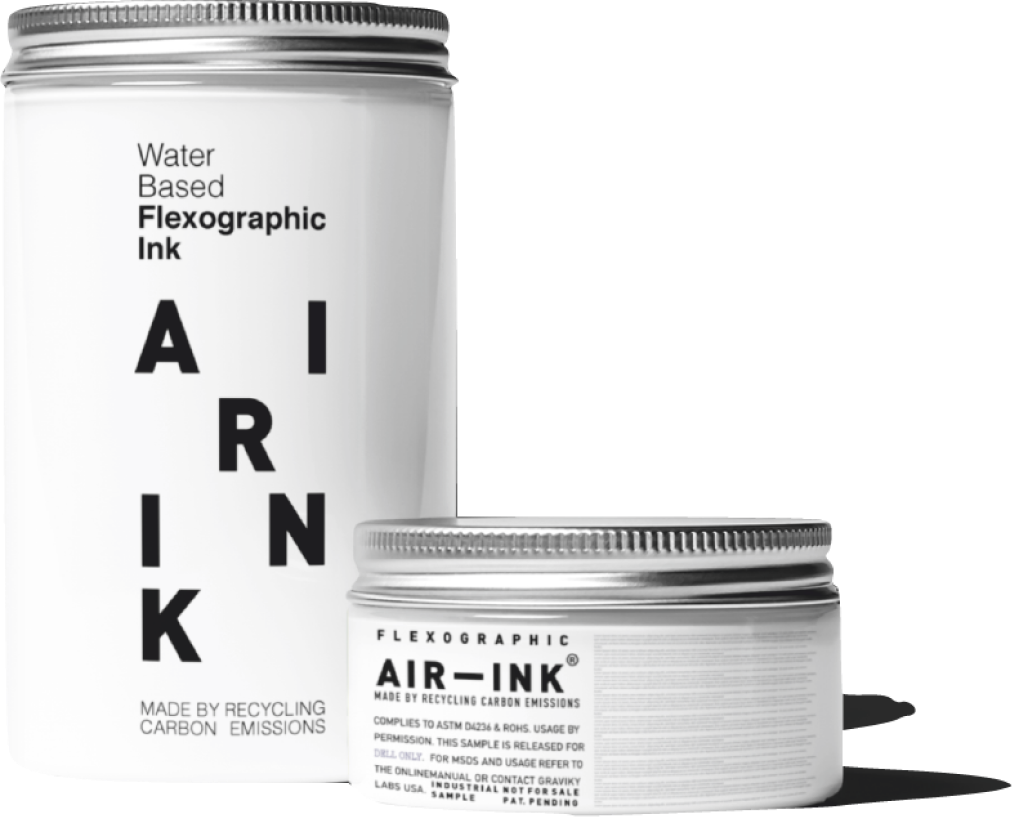
AIR-INK Flexographic Ink industrial product
AIR-INK Water-Based Flexographic Ink, produced by recycling carbon emissions. Industrial packaging format for commercial print runs across corrugated, label, and textile applications.
Naomi Campbell wearing PANGAIA x AIR-INK
Naomi Campbell wearing PANGAIA apparel dyed with AIR-INK-derived carbon pigment, produced in collaboration with Graviky Labs. The collection used captured air pollution as a sustainable dye substitute for conventional textile colorants.
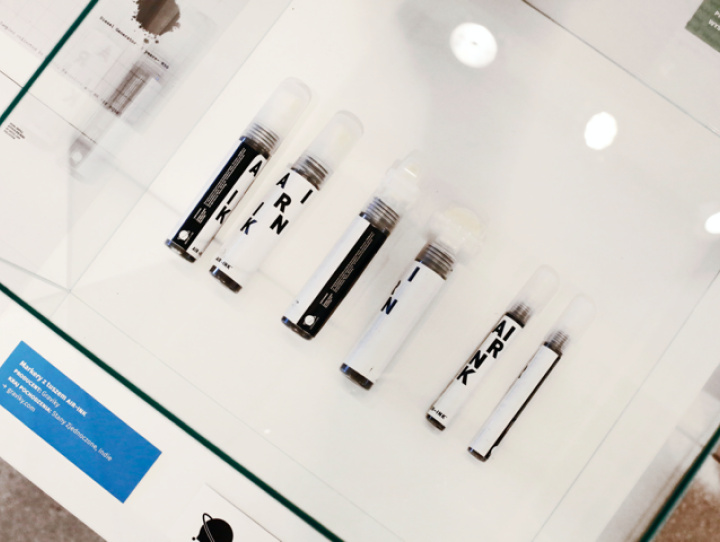
AIR-INK in the Harvard Art Museums Forbes Pigment Collection
AIR-INK markers and pigment vials on display in the Harvard Art Museums' Forbes Pigment Collection, one of the world's largest archives of historical and contemporary pigments. AIR-INK is the first pigment in the collection derived from sequestered atmospheric carbon.
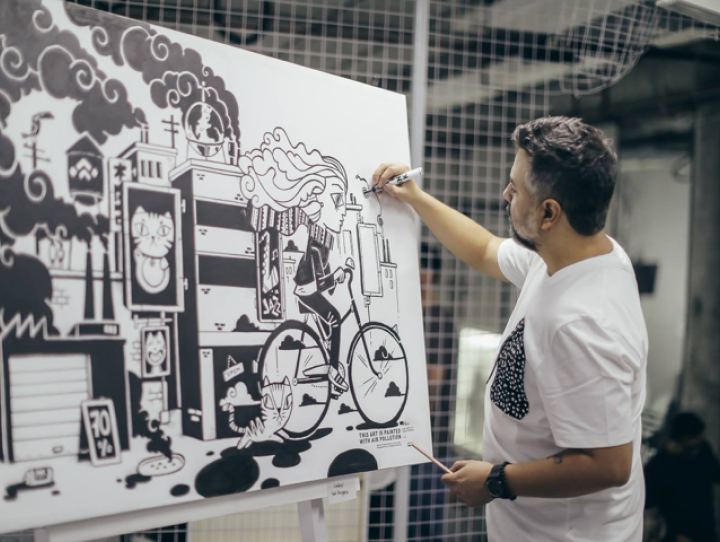
Artist creating mural with AIR-INK markers
Artist creating a large-scale mural using AIR-INK markers. Over 10,000 artists and printmakers worldwide have used the pigment, which is derived from captured vehicular and industrial carbon emissions.